

















































































































































































































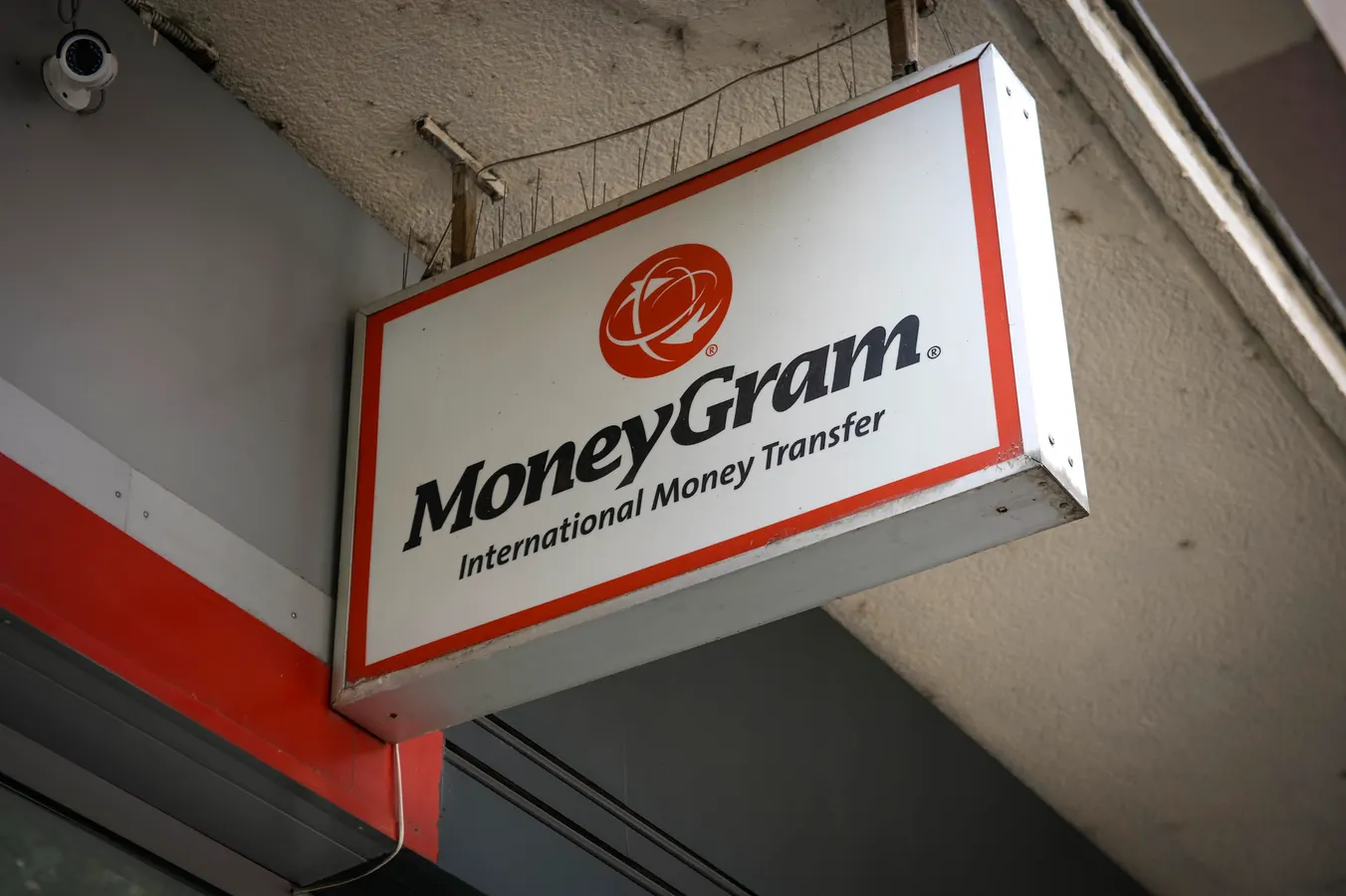
Fireblocks will begin handling stablecoin settlements for global wire service MoneyGram, the two companies said Thursday. “MoneyGram is rebuilding the rails of cross-border settlement in real time,” Fireblocks co-founder and CEO Michael Shaulov said in a statement. “By moving to a multi-chain, programmable infrastructure, it’s upgrading the speed and reliability of global payments at the foundation layer.”
Serving over 50 million customers a year across more than 200 territories makes MoneyGram one of the world’s largest, convenient ways to send money across borders. Western Union has traditionally been MoneyGram’s main rival. Both services are generally speaking more expensive than some other means, but have established a major footprint servicing many customers who would otherwise struggle sending funds across borders.
While this partnership could bear fruit for both companies — for example, by helping MoneyGram trim costs — it’s worth noting that one of the original promises of blockchain technology was to make cross-border payments cheaper and borderless, which would theoretically reduce the need for intermediaries like MoneyGram and Western Union. The partnership, however, follows in the wake of many traditional financial institutions, including major U.S. banks, embracing stablecoins to some degree.
MoneyGram is positioning itself as a strong proponent of blockchain-based payment rails. The company said in its release that its early investments in “on/off-ramps for digital currencies … and crypto compliance infrastructure” have given it a “first-mover advantage.” “We are leading the next era of money movement by enabling money to move instantly across any channel – fiat or stablecoin,” said MoneyGram Chairman and CEO Anthony Soohoo.
In 2023, MoneyGram said it was launching a non-custodial digital wallet that would allow customers to convert fiat to crypto and vice versa. Technically speaking, through their partnership, Fireblocks will provide MoneyGram with “stablecoin infrastructure and a programmable settlement layer” to enhance “payment flows” and “move value across multiple blockchains in real-time.”
In the future the two organizations may roll out additional features such as “programmable money and more resilient liquidity pathway,” the companies also said. Programmable money would allow for escrow-like transactions where funds are sent or released after certain conditions are met. In September, Fireblocks launched an enterprise-grade stablecoin network designed to help crypto and financial firms move the USD-pegged tokens.
- PNC Bank Partners with Coinbase to Offer Crypto Services
- Hyperliquid Prepares to Challenge Polymarket With New Way to Trade Real-World Events
- Bitcoin Is Coming to Ethereum Digital Wallet MetaMask
- Coinbase to Use Chainlink to Connect Wrapped Assets to Oracle Networks for DeFi Protocols
- Rumble Adds Bitcoin Wallet Integration For Streaming Tips
- Tether-Backed USAT Expands to Celo With Native Gas Fee Support