


















































































































































































































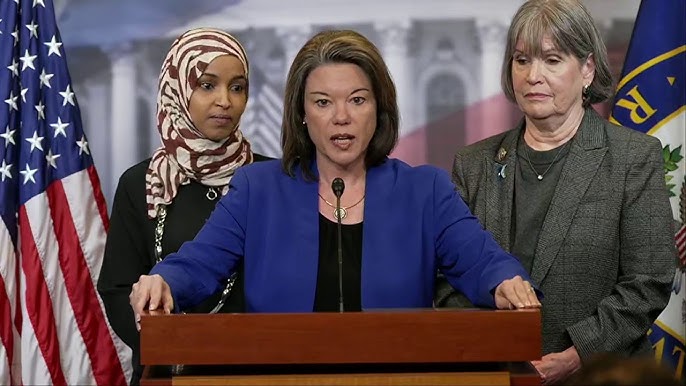
House Democrats have issued formal warnings over the federal review of a crypto bank charter tied to the Trump family, raising national security and oversight concerns as regulators consider whether to approve the institution’s application.
What Triggered the Congressional Scrutiny
The controversy centers on an application for a bank charter connected to Trump-linked World Liberty Financial — a firm associated with political figures close to the Trump family — to operate a digital asset-focused banking institution that would offer deposit accounts, custody and other financial services involving cryptocurrencies.
House Democrats argue that the charter review process has not adequately addressed potential national security risks, including:
Lack of transparency around ownership and governance structures of the applicant entity.
Possible foreign influence or investments due to partnerships or undisclosed stakeholders.
Insufficient safeguards against financial crime and illicit finance, particularly involving cross-border crypto flows.
In letters sent to the relevant federal banking regulators, lawmakers have demanded detailed disclosures about risk assessments, due diligence procedures and how potential vulnerabilities would be mitigated before any charter is granted.
Lawmakers’ National Security Arguments
Democratic members of the House Financial Services Committee contend that extending a bank charter to a politically connected crypto firm without robust oversight could create systemic vulnerabilities, especially if the institution’s operations involve large-scale crypto custodial services or stablecoin issuance.
One prominent critique is that crypto-bank hybrids — which combine traditional deposit services with digital asset products — can create opaque financial pathways that evade current AML/KYC supervision unless enforced with strict regulatory conditions.
Democrats have also flagged national security evaluations typically required for banking charters — including those assessing foreign ownership or influence — and alleged that regulators have not provided sufficient public evidence that such reviews have been conducted stringently in this case.
Regulatory and Political Context
The charter application has become a flashpoint against the backdrop of broader debates over how digital assets should be regulated in the U.S. Earlier efforts to pass a crypto market structure bill stalled in Congress, leaving regulators to craft policy through rulemaking and enforcement actions — approaches that some lawmakers view as too slow or lacking comprehensive safeguards.
Republican supporters of the charter argue that innovation in digital banking and regulated crypto services can boost U.S. competitiveness and financial inclusion. They also note that robust compliance frameworks can be built into charter conditions to address AML, counterterrorism financing and cybersecurity requirements.
What Comes Next
As regulators continue their review, the scrutiny from House Democrats could slow or complicate the charter consideration. Lawmakers have demanded formal briefings, documentation and risk analyses before they are willing to provide legislative support or oversight clearance.
The situation underscores how crypto banking innovations intersect with national security policy, and how political dynamics can shape regulatory outcomes for emerging financial institutions.
- Alabama State Auditor Calls to Establish Bitcoin Reserve
- Coinbase Opposes SEC Proposal to Redefine Exchanges to Include DEXs
- Rep. Matt Gaetz Introduces Bill Requiring The IRS to Accept Bitcoin as Payment For Federal Income Taxes
- SEC Commissioner Hester Peirce Lays Out 10 Priorities for New Crypto Task Force
- SEC, Ripple to End Legal Battle as Both Parties Abandon Appeals, Leaving XRP Ruling Intact
- Senate Advances Housing Bill With CBDC Ban, Drawing White House Support