

















































































































































































































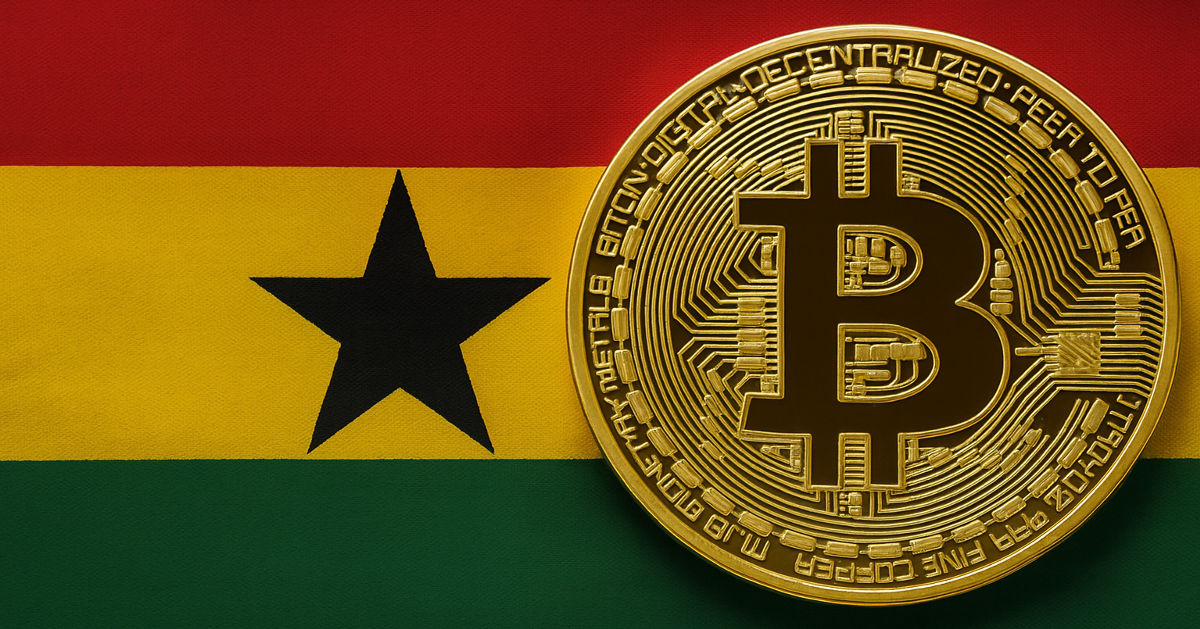
As per a Bloomberg report, approximately three million Ghanaians, or 17% of adults, engage in virtual currency transactions, posing challenges for managing the cedi. “Emerging activity is brought within clear, accountable, and well-governed boundaries,” Bank of Ghana Governor Johnson Asiama said. Regulatory oversight, he added, would lower costs for banks, improve customer experience, and support small and medium-sized enterprises.
Crypto transactions in Ghana reached an estimated $3 billion in the year through June 2024, according to Web3 Africa Group. By comparison, Nigeria traded $59 billion during the same period, representing nearly half of sub-Saharan Africa’s total $125 billion volume. Ghana now aims to catch up by creating a structured environment for crypto use.
Besides cryptocurrency legalization, Ghana is adopting blockchain technology in its gold sector to curb illegal exports. The government plans a blockchain-based gold tracking system to prevent supply leakages by middlemen. The legislative bill proposes establishing a Gold Board responsible for acquiring gold from small-scale miners. The board would also set price controls and combat smuggling.
Illegal gold exports have cost Ghana around $2 billion annually in lost national development funding. Consequently, the blockchain initiative could strengthen transparency, secure revenues, and protect small-scale miners. Ghana’s move aligns with a wider African trend of regulating digital assets. Kenya passed its VASP Bill, after President William Ruto signed it in October 2025. Kuria Kimani, Head of the Finance Committee, said the law clarifies digital asset rules, protects consumers, and attracts investment.
In contrast, Algeria banned all cryptocurrency activities in July 2025 under Law No. 25-10. The law makes trading, mining, and promoting digital assets illegal, with fines up to $7,000. This shows how crypto rules differ widely across Africa compared to Ghana and Kenya. South Africa has also signaled caution. The South African Reserve Bank warned that cryptocurrencies and stablecoins could risk financial stability. Herco Steyn, the bank’s macroprudential specialist, noted that the lack of rules allows cross-border trades that bypass exchange controls.
Authorities plan new regulations to bring cryptocurrencies under official oversight next year. Ghana’s new cryptocurrency law sets clearer rules and improves oversight. It aims to protect users and make financial systems more transparent. Using blockchain to track gold helps prevent losses and ensures better control over the industry.
- 48% of Central Banks Plan to Issue CBDC Within 5 Years
- Franklin Templeton Debuts Hong Kong’s First Tokenized Fund Under New AI-Driven Fintech Plan
- Japan Proposes Stricter Crypto Rules Under Securities Law
- Hong Kong Passes Stablecoin Legislation
- Thai SEC & Central Bank Plan to Launch Crypto Sandbox For Foreign Tourists
- Trump Promises to Make US ’World Capital’ of AI, Crypto at Davos