















































































































































































































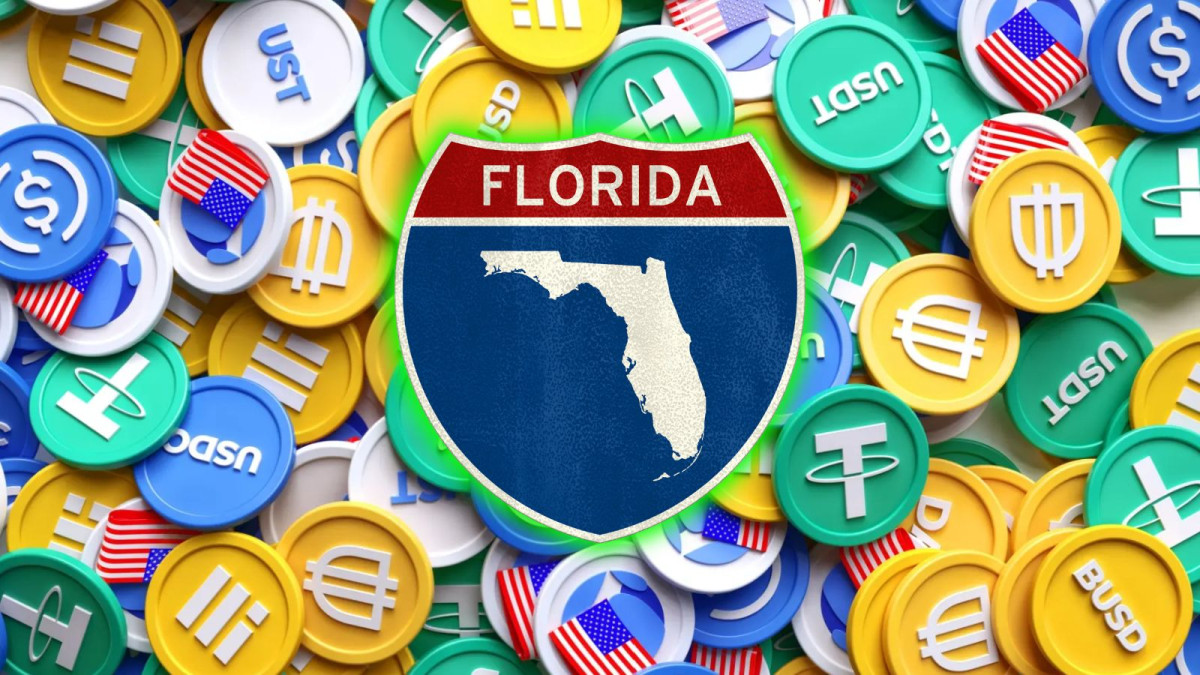
Florida lawmakers have approved the state’s first comprehensive stablecoin regulation bill, sending the legislation to Governor Ron DeSantis for final approval. The measure establishes a state-level framework for payment stablecoins, marking another step in the growing effort by U.S. states to regulate digital assets alongside federal initiatives.
The legislation, known as Senate Bill 314 (SB 314), passed both the Florida Senate and House and is expected to be signed into law within the next month, according to blockchain industry advocates involved in the effort.
New Rules for Stablecoin Issuers
The bill introduces regulatory guidelines for companies that issue payment stablecoins within Florida. It also amends the state’s Control of Money Laundering in Money Services Business Act to explicitly include stablecoins under financial oversight rules.
Key provisions include:
Requiring stablecoin issuers to comply with existing financial regulations
Prohibiting unlicensed issuance of stablecoins within the state
Clarifying that certain payment stablecoins will not be treated as securities under Florida law
The legislation also establishes supervisory roles for regulators depending on the structure of the stablecoin issuer.
Oversight by State and Federal Regulators
Under the proposed framework, some stablecoin companies will fall primarily under the oversight of Florida’s Office of Financial Regulation (OFR), while others may be jointly supervised alongside federal authorities such as the Office of the Comptroller of the Currency (OCC).
Companies based outside Florida must also notify the state regulator before operating within the state, ensuring that regulators have visibility into cross-border stablecoin activity.
The bill additionally addresses concerns around stablecoin incentives, stating that issuers cannot offer interest or yield to holders if federal rules prohibit such payments.
Florida’s Broader Crypto Strategy
The stablecoin legislation arrives as Florida continues exploring deeper integration of digital assets into public finance and state investment strategies.
Last year, lawmakers revived a separate proposal that would allow the state and certain public entities to allocate up to 10% of their funds into digital assets, including cryptocurrencies, exchange-traded products, NFTs, and other blockchain-based investments.
That proposal reflects a broader effort by state officials to position Florida as a crypto-friendly jurisdiction competing with other U.S. innovation hubs.
- New Hampshire House Passes State Bitcoin Reserve Bill
- Trump Picks Crypto Advocate Paul Atkins For SEC Chair
- US Government Says Bitcoin Seized From 2016 Hack Should Be Returned to Bitfinex
- Coinbase Opposes SEC Proposal to Redefine Exchanges to Include DEXs
- The FTC is reportedly investigating Meta’s VR division for antitrust violations
- Texas Senator Ted Cruz, Along With 4 Other GOP Members, Launches New Legislation To Ban Central Bank Digital Currencies