






















































































































































































































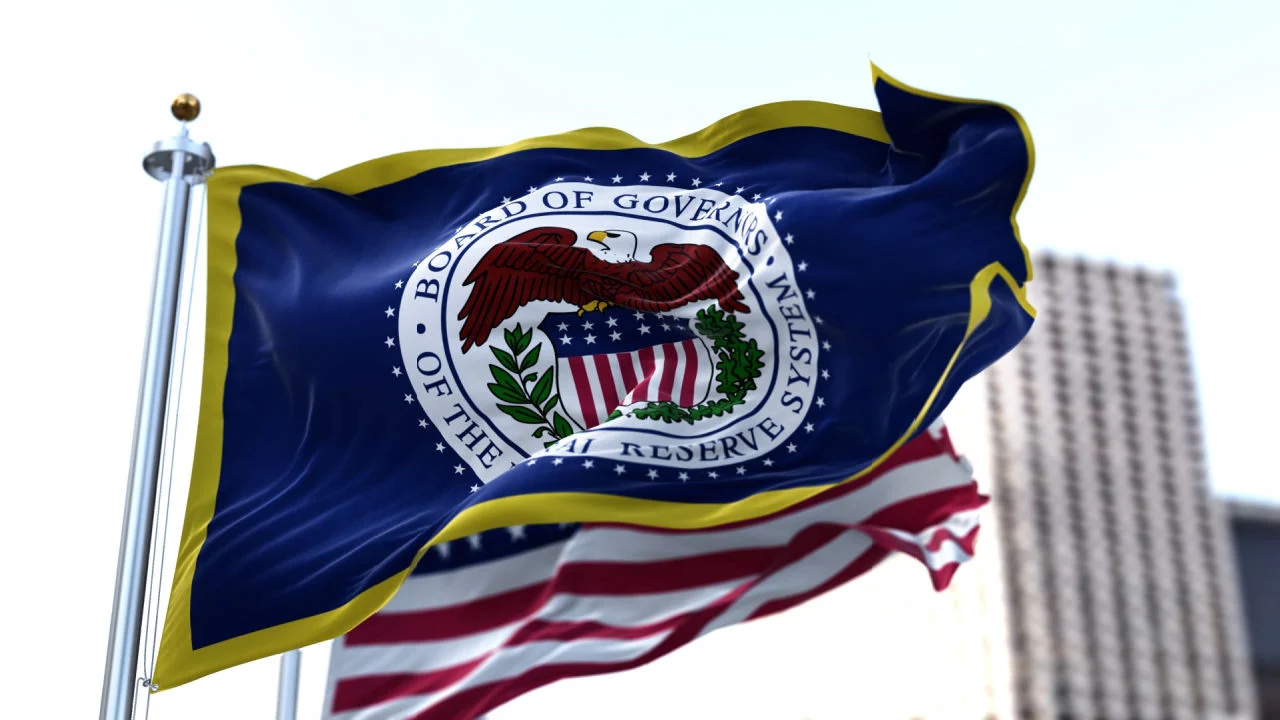
The Federal Reserve has withdrawn guidance that limited certain banks from engaging in the crypto sector, reflecting the organization’s “evolving views on risks.” On Wednesday, the Fed Board rescinded a restrictive 2023 Policy Statement that imposed a strong presumption against allowing state member banks from engaging in “novel” activities beyond what’s permitted for national banks, like many crypto services, and replaced it with a more flexible policy.
“In 2023, the Board issued a policy statement that limited Board-supervised state member banks to the same activities permissible for banks supervised by the other federal bank regulatory agencies,” the Fed wrote in a release. “Since the policy statement was published, the financial system and the Board’s understanding of innovative products and services have evolved.”
Under the updated 2025 Policy Statement, insured state member banks, those with FDIC deposit insurance, remain subject to strict limits under section 24 of the Federal Deposit Insurance Act. However, uninsured state member banks can now seek Fed Board permission to engage in activities not permissible for insured banks on a case-by-case basis, according to the 12-page statement.
This update is part of an ongoing regulatory sea change in the U.S. brought on by President Donald Trump’s overt support for the digital asset sector. While the Federal Reserve is a nominally non-governmental organization that is theoretically not subject to political shifts, the Fed has taken steps to ease crypto-related restrictions largely imposed following the collapse of FTX.
For instance, the Fed shuttered a 2023 crypto bank supervision program this summer and joined the Office of the Comptroller of the Currency and the Federal Deposit Insurance Corporation in publishing guidance for safeguarding digital assets.
While the 2023 Federal Reserve Policy Statement did not outright ban all crypto activities, it created a “strong presumption” against state member banks engaging in novel or unprecedented crypto-related activities that were not clearly permissible for national banks. In practice, this led to presumptive prohibitions on putting assets like Bitcoin or ETH on a bank balance sheet or issuing stablecoins.
- Michigan State Pension Fund Expands Crypto Holdings with $10M Ethereum Buy
- Bitcoin and Ethereum are Digital Commodities, Says CFTC Chair
- Sean ‘Diddy’ Combs Moved into Same Federal Brooklyn Jail Housing Unit as Sam Bankman-Fried
- XRP Price Surges 14% as SEC Drops Ripple Lawsuit After 4 Years
- Solana DeFi Platform Mango Markets Settles SEC Charges Over MNGO Token
- President Trump Signs Stablecoin Bill, Capping Off ‘Crypto Week’