




















































































































































































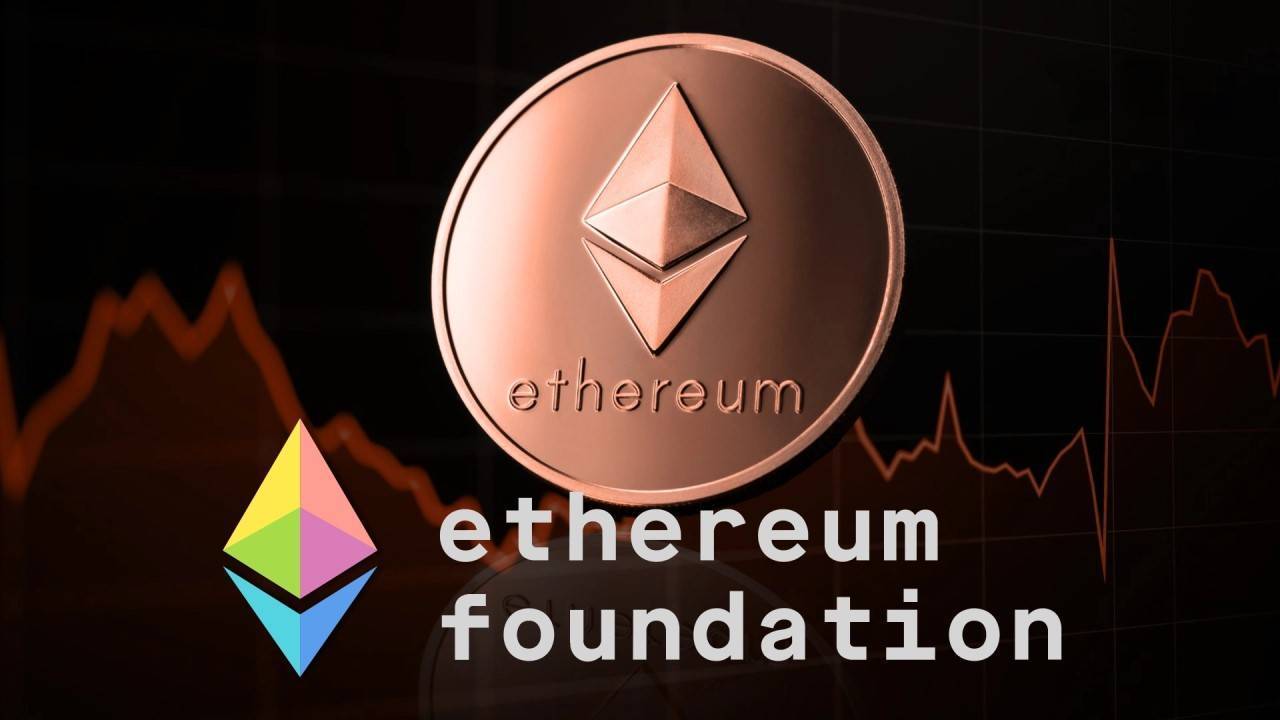
Ethereum is trying to fix one of its biggest problems: everything on Ethereum feels scattered. And if they pull it off, Ethereum and its L2 may never be the same. The Ethereum Foundation revealed its early work on something called the Ethereum Interoperability Layer, or EIL.
The idea is simple but ambitious: let any Ethereum L2 talk to any other L2 instantly, safely, and in a way that feels invisible to the user. No more guessing what chain you’re on. No more juggling tokens or bridges. No more worrying whether your wallet is connected to the right place.
You’d sign a transaction once—and the wallet + network would handle the rest in the background. They also made a point of tying this to Ethereum’s core values: self-custody, censorship-resistance, open-source development, and privacy. The roadmap rolls out in phases, starting with basic standards and messaging across L2s, and eventually moving toward real-time, trust-minimized communication between chains.
“What if all the L2s felt like a single, unified Ethereum? No bridges to think about, no chain names to recognize, no fragmented balances or assets. That’s the vision of the Ethereum Interop Layer (EIL): making Ethereum feel like one chain again – while preserving the trust-minimized, decentralized foundations we all care about.” – Ethereum Foundation researcher Yoav Weiss.
Today’s Ethereum stack is fragmented: dozens of L2s, each with its own UX, contracts, bridges and token flows. aims to eliminate that friction and bring users toward the future of “account abstraction.” Sign into an app and start using it – regardless of what chain the app sits on.
If Ethereum pulls this off, it becomes:
- Easier to use (one chain feeling)
- Safer (no more sketchy bridges)
- More private (data protected even as it moves across L2s)
- More competitive (especially vs Solana and modular ecosystems)
And it also enables composability, making it easier for existing apps across L2s to work together and build on top of one another. This all feels majorly bullish for Ethereum (and ETH). But what about the existing L2 tokens?
Well, in an interoperable future, users won’t care what chain they’re on – and thus it will be harder to assign value to those chains. Maybe their core valuation metrics will be preserved (TVL, usage, apps) behind the scenes. Something to think about at least. Regardless of what happens to the L2 tokens, this is a major win for user experience on Ethereum and thus a big win for users.
- FriendTech’s Token Launches For Trading Alongside Airdrop Claims & Version 2 Rollout
- Tom Lee’s Bitmine Immersion invests $200 million in YouTube Star MrBeast’s Company
- Department of Housing and Urban Development Exploring Use of Blockchain and Stablecoins To Track Grants
- MoonPay and Pump.fun Partner for Instant Crypto Purchases
- Christie’s to Offer Blockchain-Based Ownership Certificates for Photography Collection
- Stripe’s Bridge Unveils Platform For Businesses to Launch and Manage Stablecoins