












































































































































































































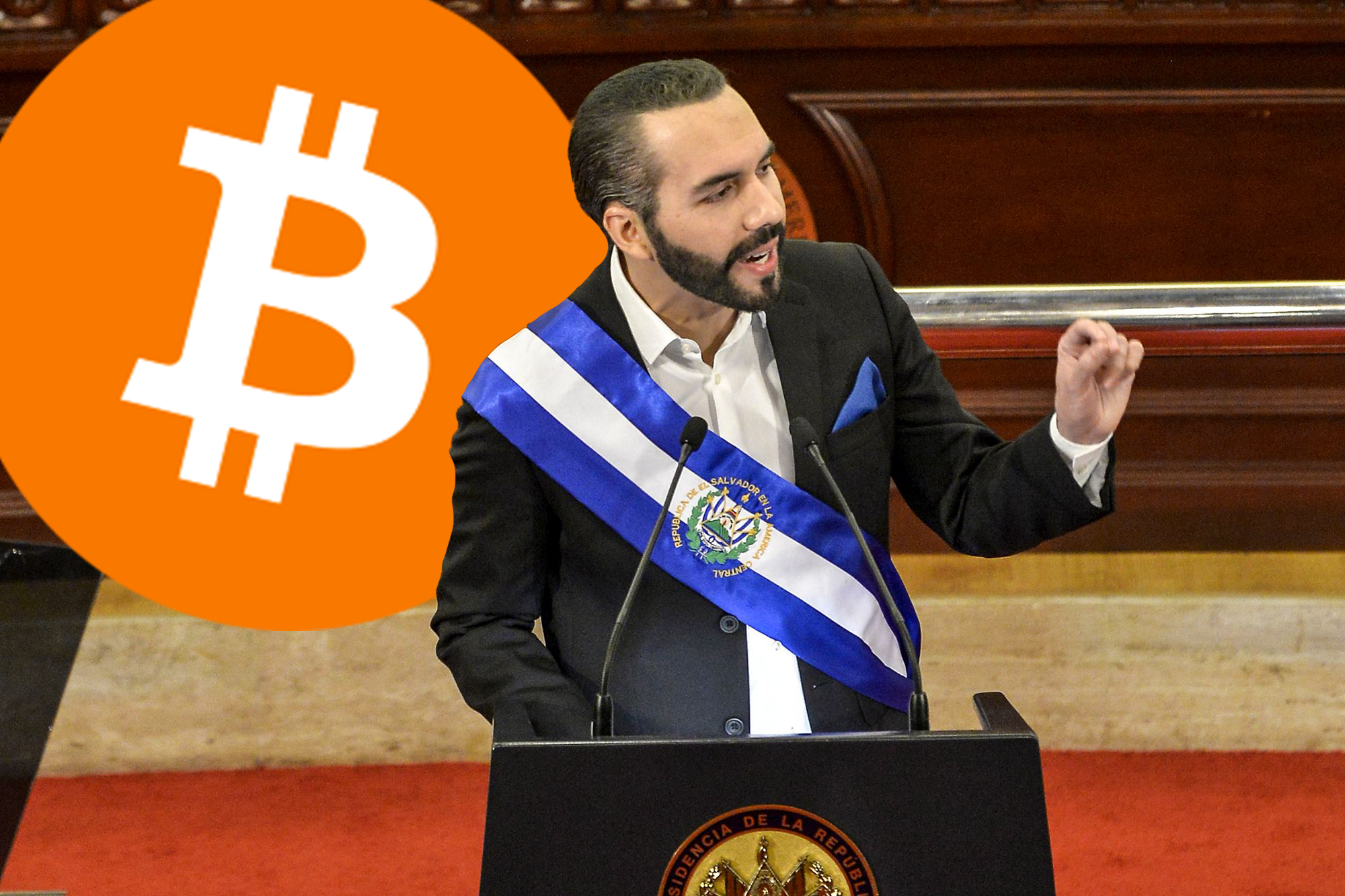
The government of El Salvador has announced a substantial revamp of its Bitcoin education initiative, integrating comprehensive digital asset literacy into the national public school curriculum to better equip students with knowledge of Bitcoin, blockchain technology and financial literacy.
Expanded Curriculum Across Grades
Under the updated programme:
Foundational concepts like money, savings and digital currencies will be introduced at early grade levels.
Intermediate modules will cover blockchain fundamentals, wallet security, transactions and real-world use cases.
Advanced electives for high school students will include topics such as decentralized finance (DeFi), custodial risk, and economic policy implications of Bitcoin adoption.
Officials said the refreshed curriculum was designed to be age-appropriate and blend theoretical understanding with practical application, including simulations, project-based learning and assessments that encourage critical thinking about digital economies.
National Strategy for Financial Inclusion
El Salvador — the first nation in the world to adopt Bitcoin as legal tender — has long positioned Bitcoin education as part of its broader strategy to foster financial inclusion, tech literacy and economic participation among its citizens.
President Nayib Bukele’s administration stated that the updated learning programme aims to ensure every student can navigate Bitcoin, digital wallets and crypto-related financial services with confidence by the time they graduate.
Teacher Training and Resources
The Ministry of Education said it is rolling out teacher training initiatives, digital toolkits and open-access learning materials to help schools implement the new Bitcoin modules. Partnerships with local universities and technology partners are expected to support instructor readiness and curriculum development.
Officials also indicated that certification programs for educators will be offered to ensure consistent delivery and comprehension across regions, including rural areas where tech access has previously lagged.
Why This Matters
By embedding Bitcoin and blockchain education into the public system, El Salvador is attempting to:
Democratize access to digital finance knowledge
Prepare the next generation for participation in a digital economy
Reduce barriers to entry for financial services among underserved communities
Build a workforce skilled in emerging technologies
The move also reinforces El Salvador’s reputation as a global testbed for Bitcoin adoption, extending beyond legal tender status into social and educational infrastructure.
Global Context
El Salvador’s Bitcoin curriculum overhaul may influence other nations exploring how to integrate digital asset literacy into formal education. As cryptocurrencies and blockchain continue to enter mainstream financial discourse, foundational education in these areas could become a competitive advantage for countries seeking to nurture future innovators and informed citizens.
- Saudi Arabia Joins BIS & China Led Central Bank Digital Currency Project
- Ripple Grants $50 Million to Nonprofit Aiming to Raise US Crypto Awareness
- Bybit Pay Launches Crypto Payments in Peru with Yape and Plin
- TON Offers UAE 10-Year Golden Visa for $100K in Staked Toncoin
- Russia Prepares For Total Crypto Ban as Geopolitical Tensions Rise
- Brazil Moves to Ban Stablecoins Not Backed by Real-World Assets