












































































































































































































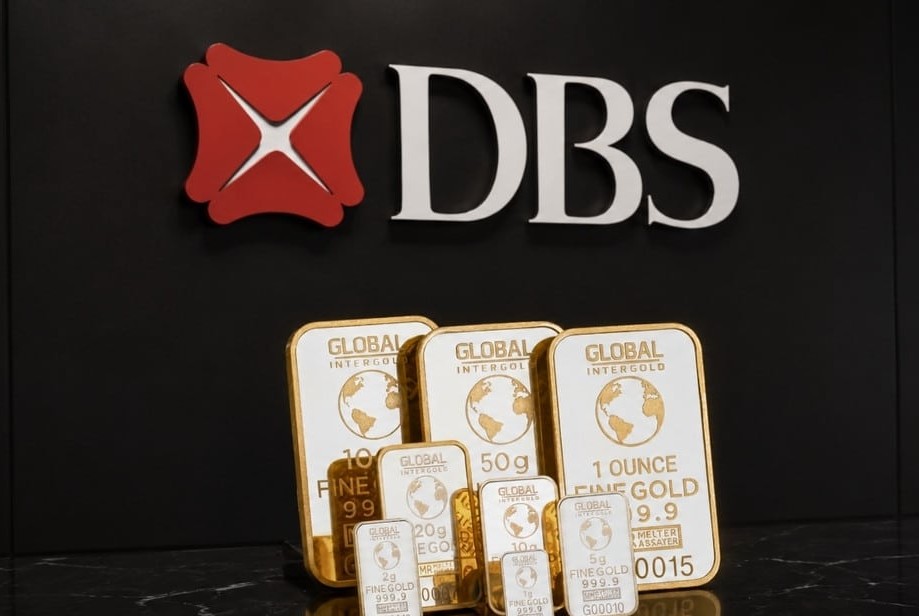
DBS Bank, Southeast Asia’s largest bank, is preparing to launch a tokenized gold offering, becoming the latest major financial institution to embrace blockchain-based ownership of physical assets. The move follows the success of OCBC’s GoldX platform and signals growing competition among Singapore’s banking giants to bring traditional commodities into the digital asset era.
The initiative reflects a broader trend sweeping through global finance as banks increasingly explore tokenization as a way to make traditionally illiquid assets more accessible, tradable, and efficient. Gold, often viewed as a safe-haven asset during periods of economic uncertainty, has emerged as one of the most attractive candidates for tokenization.
DBS Expands Its Digital Asset Strategy
According to reports, DBS plans to tokenize physical gold holdings, allowing customers to purchase and own fractional amounts of gold through blockchain-based infrastructure. The tokenized model removes many of the logistical challenges traditionally associated with precious metals investing, including storage, transportation, and large minimum purchase requirements.
The launch builds upon DBS’s growing involvement in digital assets and blockchain technology. The bank has already established itself as one of Asia’s most active traditional financial institutions in the digital asset sector through its digital exchange, tokenization initiatives, and blockchain-based financial products.
By introducing tokenized gold, DBS is expanding beyond cryptocurrencies and tokenized securities into the rapidly growing real-world asset (RWA) market.
Following the Success of OCBC’s GoldX
DBS is entering a market where OCBC Bank already established an early lead. Earlier this year, OCBC launched GoldX, a blockchain-powered platform that allows customers to buy, sell, and track tokenized gold ownership digitally.
The success of GoldX demonstrated that demand exists for digital ownership models tied to physical commodities. Investors increasingly want exposure to gold without the friction associated with traditional bullion ownership, creating a growing market opportunity for banks offering tokenized alternatives.
The emergence of competing products from two of Singapore’s largest banks suggests tokenized commodities may become an important battleground for financial institutions seeking to attract digitally native investors.
Gold Becomes a Major Real-World Asset Opportunity
Gold has become one of the fastest-growing categories within the tokenized asset sector. Unlike many other commodities, gold already possesses deep global liquidity, widespread recognition, and a long history as a store of value.
Tokenization allows ownership to be divided into smaller fractions while maintaining a direct connection to physical reserves. This can make gold more accessible to retail investors while also enabling faster settlement and easier transfers compared to traditional ownership structures.
Industry analysts believe tokenized commodities could become a major growth segment within the broader real-world asset market, which has already attracted significant attention from banks, asset managers, and blockchain companies worldwide.
Singapore Continues Leading Financial Innovation
The move further strengthens Singapore’s reputation as one of the world’s leading hubs for blockchain innovation and digital finance. Regulators in the city-state have generally adopted a pragmatic approach toward blockchain technology, encouraging experimentation while maintaining strong oversight standards.
Major financial institutions throughout Singapore have been actively exploring tokenization, digital payments, stablecoins, and blockchain-based settlement systems. The country’s regulatory clarity has made it an attractive environment for banks looking to launch next-generation financial products.
As competition increases, tokenized assets could become a core component of Singapore’s future financial infrastructure.
Tokenization Momentum Continues to Build
The launch comes amid a wave of tokenization initiatives across the global financial sector. Major institutions including BlackRock, Franklin Templeton, JPMorgan Chase, and numerous international banks have introduced tokenized funds, bonds, deposits, and other financial instruments over the past two years.
Many industry leaders believe tokenization could transform capital markets by reducing settlement times, improving liquidity, lowering operational costs, and expanding investor access to traditionally restricted assets.
Gold represents a natural extension of that trend because it combines a familiar investment product with the efficiency benefits of blockchain technology.
- Web3 Worldwide: The United Nations Digital Governance Body to Establish a DAO
- Japan’s Next Prime Minister Announces Pro-Blockchain and NFT Policy Plans
- Saudi Arabia Is Tokenizing Its Multi-Trillion-Dollar Economy to Shield Wealth From Global Shocks
- Ex-Coinbase Agent Arrested in India For 2025 Security Breach
- Avalanche Targets $15 as India Brings $2 Billion in Agricultural Assets Onchain
- Coinbase Secures MiCA Approval, Shifts Headquarters to Luxembourg