
















































































































































































































201
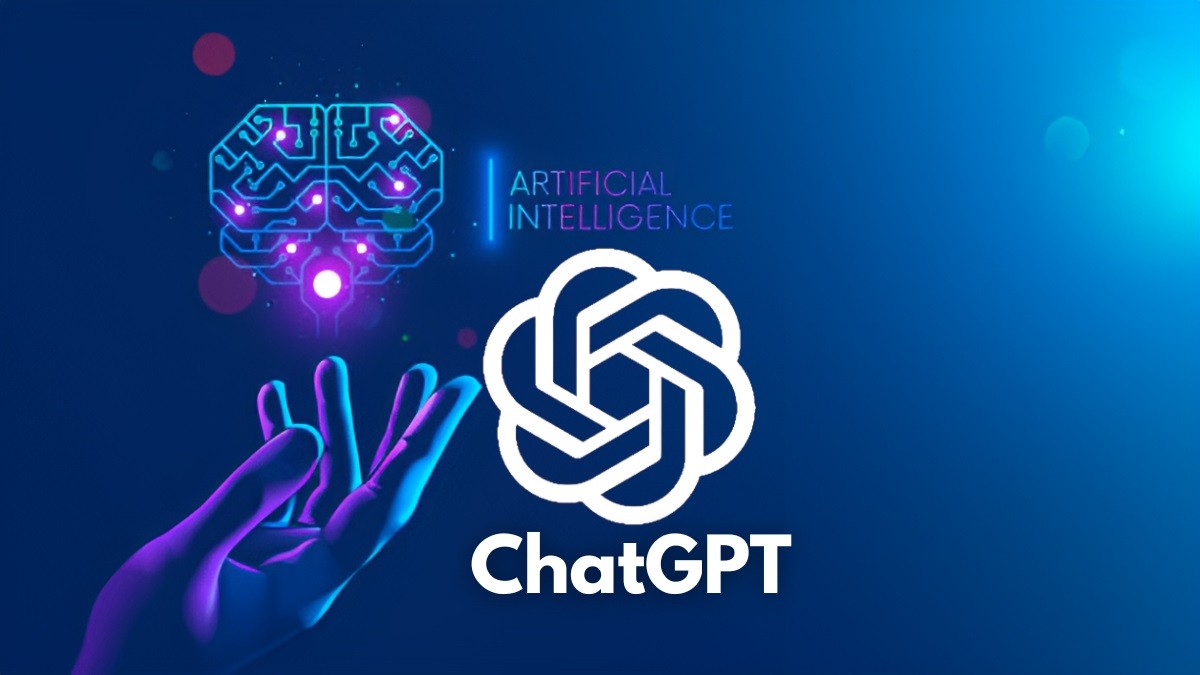
ChatGPT, the pioneer in generative AI era, has completed 2 years of its launch two years back on 30, Nov 2022. This groundbreaking AI project has changed the tech-world completely with offering quick, reliable and latest information generation from prompts. Within five days of its launch, ChatGPT immediately slingshotted its users with capturing over 1 million users. In 2024, ChatGPT’s active users remarkably surged to a staggering 200 million. This rise has positioned it as one of the fastest-growing applications in tech history.
With its capacity to achieve comprehensive and reliable replies in real-time, ChatGPT has made AI an everyday tool. In the cyber security territory, the impact of ChatGPT and GenAI has been deep. ChatGPT, for example, can test the broad datasets to disclose irregularities and arrangements. There is no doubt that Generative AI like ChatGPT will perform a progressive part in developing the cyber security domain. Whether through supervising conscious applications , attending to a culture of AI knowledge, or deploying forward studying tools, the industry must expand at the side of the technology.
For the assurance that Generative AI adds certainty to cyber security, organizations must assume the accountability for its use. However, ChatGPT’s second anniversary is an occasion that offers both a hint and a recall of the agreement that GenAI is endless, but so too is the authority that comes with it. With its meaningful use, we can assure that ChatGPT could revolutionise most industries with its outstanding capabilities.
You Might Be Interested In
- OpenAI Signs $300 Billion Data Center Pact With Tech Giant Oracle
- Digital Artist Refik Anadol to Collaborate with Lionel Messi on New AI Artwork
- ‘Nifty Island’ Ethereum Token Launch and Airdrop Details
- White House Launches America’s AI Action Plan to Strengthen US Dominance in Artificial Intelligence
- ABC DAO’s AI Agent Demo Launches Memecoin $LPW, Hits $90K in 24 Hours
- Grayscale Launches Decentralized AI Fund Including TAO, NEAR, and Render