




















































































































































































































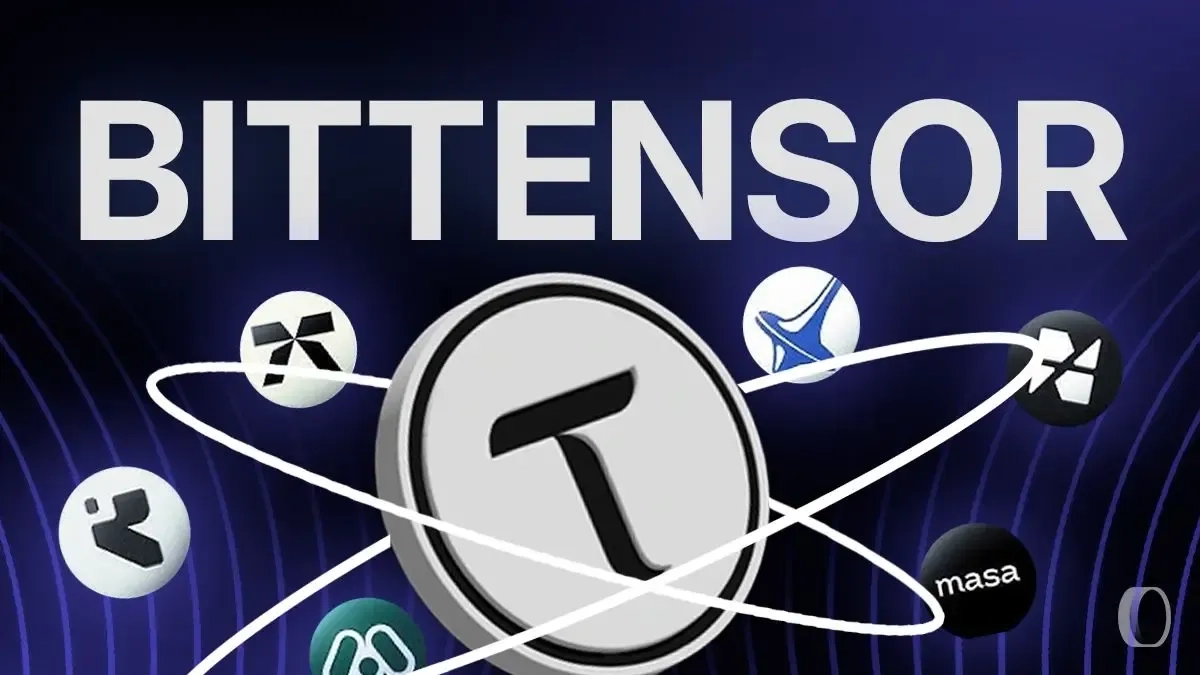
The Bittensor ecosystem is rapidly emerging as one of the hottest sectors in crypto, with its network of tokens surpassing a combined $1.5 billion valuation as momentum builds around decentralized artificial intelligence. The surge comes as Bittensor’s native token TAO rallies sharply, driven by both market demand and high-profile endorsements.
TAO itself has seen a massive run—climbing roughly 90% in March, rising from around $180 to above $330—while smaller tokens within the ecosystem have posted even more explosive gains.
Nvidia’s Jensen Huang Sparks Momentum
A major catalyst behind the rally came from Jensen Huang, CEO of NVIDIA, who publicly discussed Bittensor’s decentralized AI model on the All-In Podcast.
Huang highlighted the potential of decentralized AI training, particularly referencing a breakthrough model called Covenant-72B, which was trained collaboratively by over 70 contributors using distributed hardware rather than centralized data centers.
This endorsement carried significant weight, as it validated Bittensor’s core thesis: that AI development can be decentralized, permissionless, and competitive with Big Tech models.
Subnet Tokens Outperform the Market
While TAO’s rally has been impressive, the real action is happening in Bittensor’s “subnet tokens”—smaller ecosystem assets tied to specialized AI networks within the protocol.
These tokens collectively reached about $1.47 billion in market cap with over $100 million in daily volume, acting as leveraged bets on the growth of the broader network.
Some of the top performers include:
- Templar (Subnet 3) → up over 400%
- OMEGA Labs → up around 440%
- Level 114 → up 280%
- BitQuant → up 230%
This dynamic reflects a familiar crypto pattern where smaller ecosystem tokens outperform the base asset during bullish cycles.
What Makes Bittensor Different
Bittensor is designed as a decentralized marketplace for artificial intelligence, where participants contribute:
- Compute power
- Machine learning models
- Data and training outputs
In return, they are rewarded in TAO tokens, creating an incentive-driven system for building AI infrastructure collaboratively.
The network is structured into subnets, each focused on specific AI tasks such as language models, compute infrastructure, or cybersecurity—effectively turning AI development into a global, decentralized competition.
- Gemini Exchange Launches AI Agent Trading Letting ChatGPT and Claude Execute Trades Automatically
- Global ChatGPT Outage Hits Users, OpenAI Restores Service
- John McAfee Reborn as AI Memecoin and Chatbot with $27 Million Market Cap
- California Governor Newsom Vetoes AI Safety Bill that Divided Silicon Valley
- Apple Brings ChatGPT to iPhones in AI Overhaul
- ‘Nifty Island’ Ethereum Token Launch and Airdrop Details



