













































































































































































































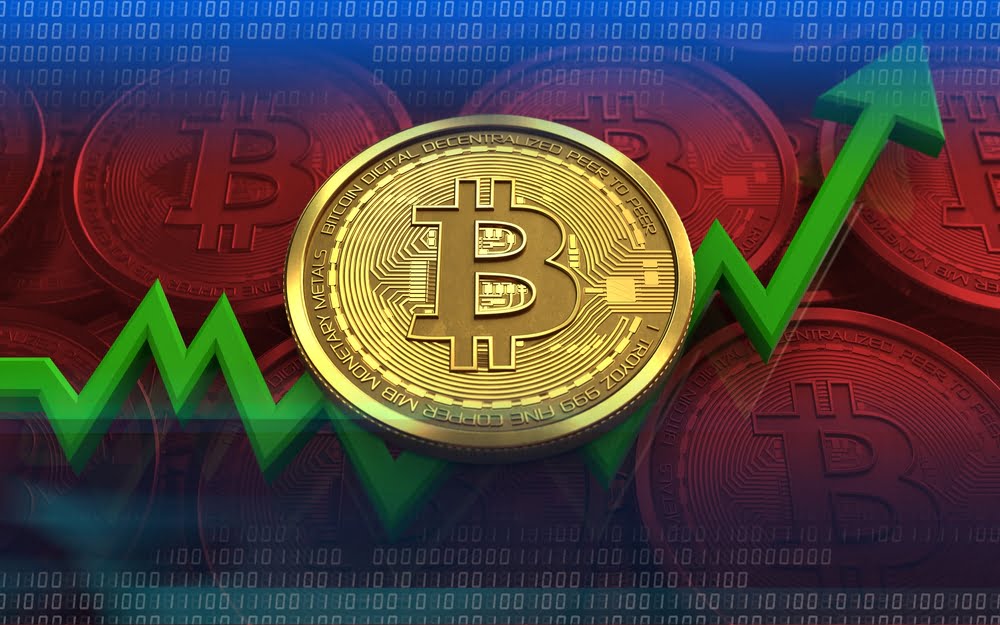
Bitcoin reclaiming the $81,000 level has surprised many traders—not because of the price itself, but because the rally is happening while one of crypto’s most important market indicators remains deeply bearish. According to new market data, Bitcoin’s perpetual futures funding rate has now stayed negative for 66 consecutive days, marking the longest streak of its kind this decade. Normally, negative funding suggests traders are aggressively betting against Bitcoin. But this time, analysts believe something very different is happening underneath the surface.
What Negative Funding Rates Actually Mean
In perpetual futures markets, funding rates are payments exchanged between traders to keep futures prices aligned with Bitcoin’s spot price.
- Positive funding → Long traders pay shorts
- Negative funding → Short traders pay longs
When funding stays negative for extended periods, it usually signals that traders expect the market to fall. Right now, short sellers are reportedly paying an annualized carry of roughly 12% just to maintain bearish positions. What makes this unusual is that Bitcoin has continued climbing despite those bearish bets.
Why Analysts Think This Isn’t Fear—It’s Institutional Hedging
Researchers at K33 Research believe the negative funding environment may not actually reflect widespread market fear. Instead, they argue it’s likely driven by:
- Institutional hedging strategies
- Basis trades tied to ETFs and futures markets
- Professional market-neutral positioning rather than outright bearish sentiment.
At the same time:
- Open interest in Bitcoin derivatives has climbed roughly 12%
- Bitcoin price has continued trending upward
- Funding has remained negative throughout the rally.
That combination historically appears near market bottoms and consolidation phases before major breakouts.
This Setup Has Historically Been Bullish for Bitcoin
Analysts studying historical funding-rate regimes found something important:
Buying Bitcoin during extended periods of negative funding has historically produced very high win rates across multiple timeframes.
K33 researchers say similar setups appeared:
- Near the 2022 bear market bottom
- During previous consolidation phases before major rallies
- In periods where traders remained excessively defensive while price quietly strengthened.
The theory is simple. If too many traders stay short while Bitcoin rises, the market becomes vulnerable to a short squeeze, where bearish traders are forced to buy back positions at higher prices—accelerating the rally further.
Short Liquidations May Already Be Fueling the Rally
Recent market data suggests that process may already be happening.
As Bitcoin pushed back above $80K:
- Large amounts of short positions were liquidated
- Bearish traders were forced to close positions
- Buying pressure increased rapidly.
This creates a feedback loop:
- Price rises
- Shorts get liquidated
- Forced buying pushes price even higher.
The longer negative funding persists while Bitcoin climbs, the more pressure builds on bearish traders.
Macro Conditions Still Matter
Despite the bullish structure, analysts caution that macro risks haven’t disappeared.
Markets are still monitoring:
- Federal Reserve policy uncertainty
- Inflation concerns
- Oil price volatility
- Geopolitical tensions involving Iran and the Middle East.
However, Bitcoin’s ability to rally while traders remain heavily defensive is being viewed as a sign of underlying market strength rather than weakness.
- $MAGA, $HORRIS, $47, and Other PoliFi Tokens in Decline After U.S. Election Concludes
- Bitcoin Price Plunges Below $67,000, Crypto Market Sees $426 Million in Liquidations
- Solana Memecoin $MOODENG Soars & Takes One Trader with It
- Ethereum Jumps 20% After Pectra Upgrade, Marking Largest Gain in 4 Years
- Bitcoin and Stocks Rise While Oil Slides on Hopes of Iran Conflict De-Escalation
- Shiba Inu Surges 36% as South Korean Traders Ignite Mystery Rally