























































































































































































































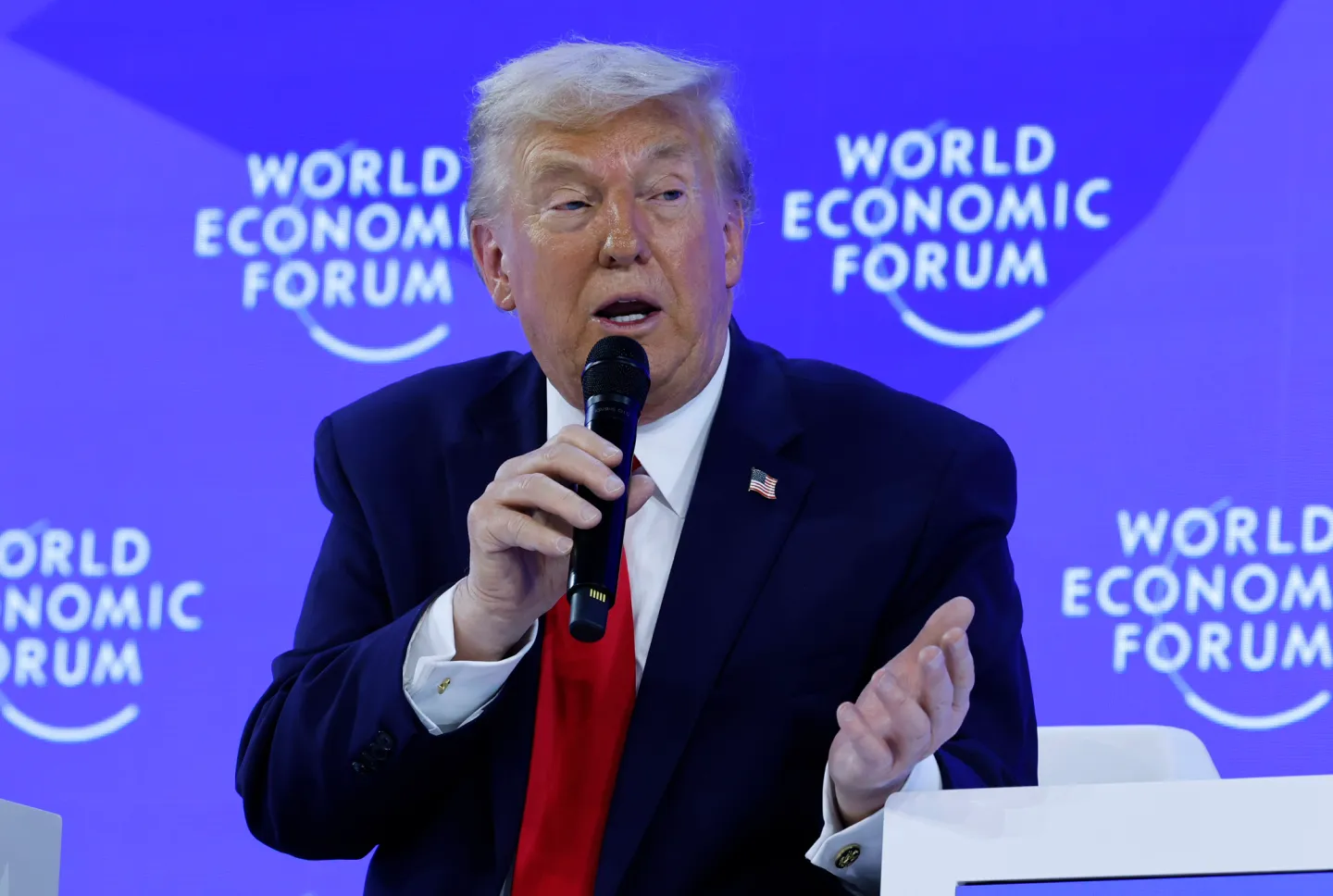
Bitcoin briefly rebounded above $90,000, driving volatility across the broader crypto market and triggering more than $1 billion worth of liquidations in the past 24 hours as traders adjusted positions amid sharp swings. The rebound followed comments by President Donald Trump that he would drop planned tariffs on European nations tied to discussions over Greenland and NATO cooperation — a shift that also lifted U.S. stocks and risk assets.
The sharp price action came after Bitcoin dipped toward roughly $87,000 earlier in the session, only to climb back as markets digested the news and renewed appetite for riskier assets. Data from derivatives platforms shows the price move wiped out more than $1 billion in leveraged positions, with both long and short traders forced out as prices oscillated. Bitcoin accounted for a significant portion of the liquidations, while altcoins like Ethereum and XRP also saw positions liquidated amid the broad bounce.
Market participants linked the moves to the broader macro backdrop, where geopolitical headlines and shifting tariff expectations can sway risk markets quickly. Trump’s announcement that he would “not be imposing the tariffs that were scheduled to go into effect” helped calm some downside pressure and sparked buying in both crypto and equity markets.
The episode underscores how macro political shifts and headline risk remain core drivers of near-term crypto volatility — especially in a market still digesting regulatory ambiguity and macroeconomic data — while leveraged traders continue to feel outsized impacts from sharp, intraday price moves.
- Bitcoin Dips Below $60K as Pre-Halving Volatility Reigns
- Base Network Surpasses Arbitrum in Monthly Active Addresses
- Coinbase to Launch ORDI and Worldcoin Futures for Institutions
- Crypto Derivatives Exchange BitMEX Launches Options Trading with PowerTrade
- President Trump Says He Doesn’t ‘Know Much’ About His Meme Coin, Triggers 16% Dip
- Franklin Templeton Takes Its Tokenized Treasury Fund to Base, Becomes First Asset Manager on the Layer 2