












































































































































































































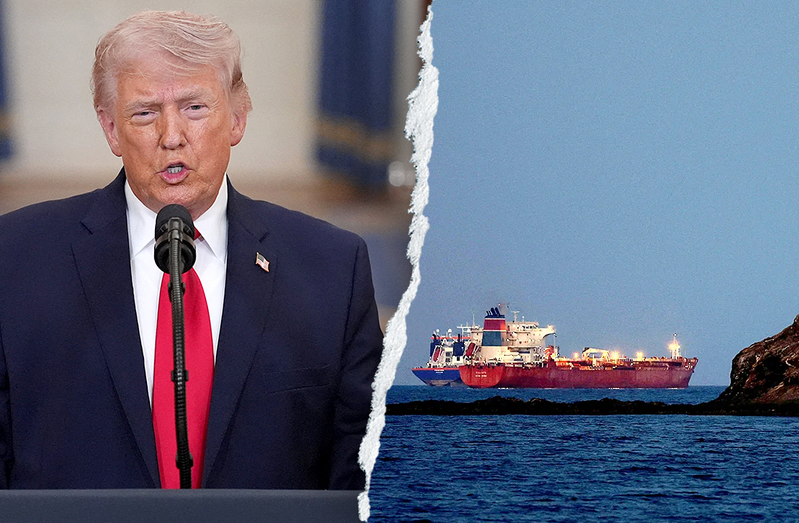
Bitcoin fell back below the $71,000 level after Donald Trump ordered a U.S. naval blockade of the Strait of Hormuz—triggering a sharp shift in global market sentiment and reinforcing crypto’s growing ties to macro events. Following the announcement, Bitcoin dropped alongside equities as investors moved into a risk-off environment. Reports show BTC sliding to the low $70K range, with broader markets reacting negatively to escalating tensions in the Middle East. The blockade came after failed negotiations with Iran, with the U.S. now planning to intercept ships in one of the world’s most critical energy corridors.
Why the Strait of Hormuz Matters
The Strait of Hormuz is one of the most important shipping routes in the world, responsible for roughly 20% of global oil supply.
Any disruption to this passage:
- Drives oil prices higher
- Increases inflation fears
- Adds pressure to global financial markets
That’s exactly what happened—oil surged while risk assets like Bitcoin and stocks pulled back.
From Rally to Reversal
Just days earlier, Bitcoin had rallied above $70K on optimism around a temporary ceasefire between the U.S. and Iran. But that momentum quickly reversed as tensions escalated again.
This highlights a growing pattern:
- Positive geopolitical news → crypto rallies
- Escalation or uncertainty → crypto sells off
Bitcoin is now reacting almost instantly to global headlines—similar to traditional markets.
Macro Is Now Driving Crypto
Analysts point out that Bitcoin’s drop isn’t about crypto-specific issues—it’s about global risk sentiment.
Key factors impacting the move:
- Rising oil prices and inflation concerns
- Military escalation risks
- Uncertainty around global trade routes
- Institutional positioning shifting to safety
Even though Bitcoin was once seen as a hedge, it’s increasingly behaving like a macro risk asset in times of uncertainty.
Why This Matters
This moment reinforces a major shift in crypto’s identity.
The bigger takeaway:
Bitcoin is no longer trading in isolation—it’s deeply connected to geopolitics and global markets. And as events like the Strait of Hormuz blockade unfold, crypto is reacting in real time alongside stocks, oil, and the broader financial system.- Bitcoin Climbs Above $65,000 as Iran-Oman Talks Ease Strait of Hormuz Fears
- NOXA Shutdown Exposes Robinhood Chain’s Biggest Weakness After Generating $12 Million in Fees
- Bitcoin’s Rally Above $81K Is Happening During a Rare 66-Day Bearish Streak, Analysts Say That’s Actually Bullish
- Coinbase Adds Sui Token Standard, Placing Sui Alongside Ethereum and Solana
- Coinbase Launches 24/5 Stock and ETF Trading
- Strive’s SATA Preferred Stock Becomes First U.S. Security to Pay Daily Cash Dividends