















































































































































































































Thirty-nine U.S. state banking associations are joining forces to build their own nationwide blockchain network, creating the BankChain Alliance to bring stablecoins, tokenized deposits, smart payments and automated settlement directly into America’s regulated banking system. The group is targeting a 2027 launch and represents thousands of banks across the country.
The initiative represents one of the largest coordinated blockchain efforts ever undertaken by U.S. banking associations. Rather than allowing crypto companies and fintech firms to dominate blockchain-based payments, participating banking groups want financial institutions themselves to own and govern the infrastructure.
The BankChain Alliance describes the planned system as industry-owned, industry-designed and industry-governed, potentially giving community and regional banks access to blockchain technology they might otherwise struggle to build independently.
BankChain Targets a 2027 Launch
The BankChain Alliance was officially announced on August 25, with 39 state bankers associations participating in the initiative.
The planned network will be built on a common blockchain platform and designed specifically for regulated financial institutions.
BankChain says the network could support:
- Tokenized bank deposits
- Bank-issued stablecoins
- Smart and programmable payments
- Automated financial settlement
- Other blockchain-based banking products
- Interoperability with other blockchain networks
The Alliance hasn’t selected the technology that will power the network yet. It is currently evaluating potential technology partners and hasn’t disclosed whether the final infrastructure will use an existing blockchain or a newly developed system.
Thousands of U.S. Banks Are Represented
The scale of the initiative is particularly notable.
The 39 participating state associations collectively represent thousands of financial institutions operating across the United States. Separate reporting based on Alliance figures puts the group at approximately 3,283 banks controlling $21.8 trillion in assets as of March 31.
Individual banks haven’t yet been publicly identified as committed participants or owners of the network, however.
BankChain intends to invite banks nationwide to take ownership stakes in the system once development progresses.
That structure could allow smaller financial institutions to participate in blockchain infrastructure without individually spending millions of dollars developing and maintaining their own networks.
Georgia Is Among the 39 States Participating
The initiative stretches across a large portion of the country, including the Georgia Bankers Association.
Other participating organizations include banking associations representing states such as:
Florida, Texas, North Carolina, South Carolina, Tennessee, Virginia, Pennsylvania, Michigan, Washington, Wisconsin, New Jersey and Massachusetts, among many others.
The involvement of state-level associations could be especially important for community banks.
Large financial institutions including JPMorgan and Citi have the resources to develop proprietary blockchain systems, tokenization platforms and digital-asset infrastructure.
A shared network could potentially give smaller banks access to similar technology without requiring each institution to build everything independently.
Former CFPB Director Kathy Kraninger Leads the Initiative
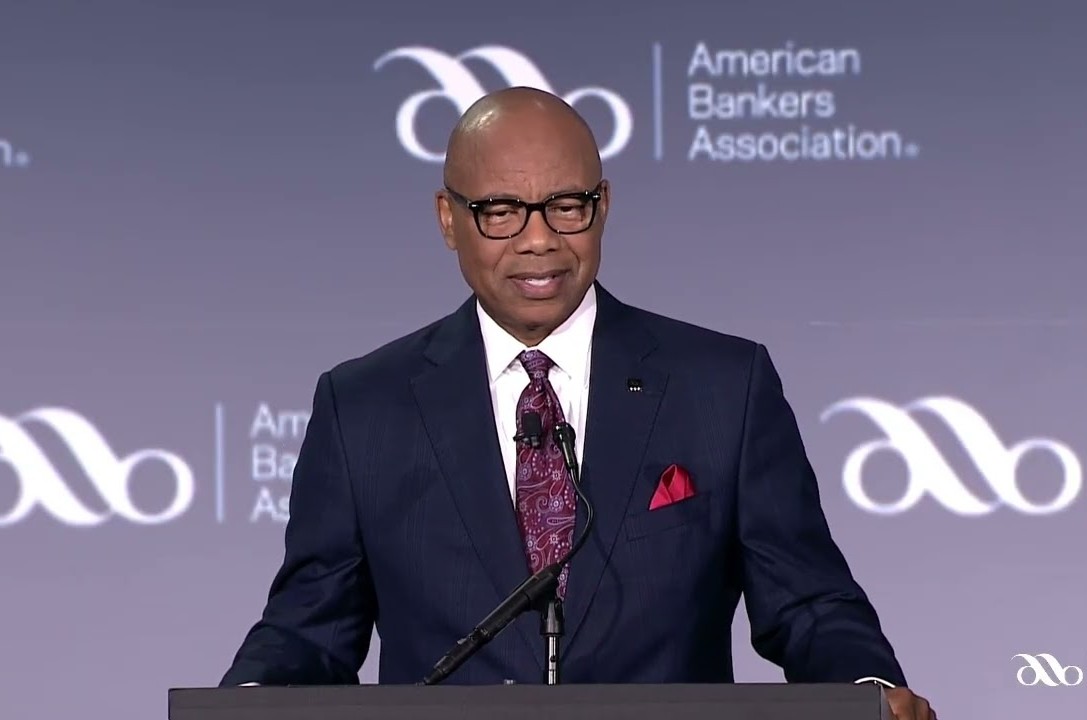
Kathy Kraninger, president and CEO of the Florida Bankers Association, is serving as interim chair of the BankChain Alliance.
Kraninger previously served as director of the Consumer Financial Protection Bureau.
She described the initiative as an opportunity for banks of different sizes to collectively build infrastructure capable of supporting modern financial services while preserving the security and regulatory protections associated with traditional banking.
The emphasis on bank ownership is important.
Rather than banks simply becoming customers of a blockchain company, BankChain wants participating financial institutions to have direct influence over the infrastructure they use.
Banks Want Their Own Stablecoins
One of the most significant components of BankChain is its support for stablecoins.
Stablecoins have increasingly become competitors to traditional bank payment infrastructure because they can move dollar-denominated value globally, around the clock, without requiring conventional banking settlement rails.
BankChain could give banks the ability to issue or support their own regulated stablecoins instead of allowing crypto-native companies to control that market.
This comes as banks themselves increasingly reconsider stablecoins. The Wall Street Journal reported that financial institutions that previously favored tokenized deposits are now exploring stablecoin projects as nonbank companies move deeper into digital payments.
The BankChain Alliance could therefore become a way for community and regional banks to participate collectively.
Tokenized Deposits Could Be Even More Important
BankChain isn’t betting exclusively on stablecoins.
The network also intends to support tokenized deposits.
A tokenized deposit essentially represents money held inside a regulated bank account as a digital token on blockchain infrastructure.
For example:
Traditional bank deposit → tokenized representation → blockchain payment or settlement → underlying money remains inside the banking system.
This differs from conventional stablecoins, where users may move money out of a commercial bank and into reserves supporting tokens issued by a separate company.
Banks generally favor tokenized deposits because they allow blockchain-based payments while preserving the traditional deposit relationship.
Banks Are Worried Stablecoins Could Drain Deposits
The timing of BankChain isn’t accidental.
The banking and crypto industries have been engaged in an increasingly heated debate over whether stablecoin platforms should be allowed to provide users with rewards resembling interest.
The GENIUS Act prohibits stablecoin issuers themselves from paying interest or yield simply for holding a payment stablecoin. But banks are concerned that crypto exchanges or affiliated companies could potentially offer rewards that create similar economic incentives.
The banking industry’s argument is that sufficiently attractive stablecoin rewards could encourage consumers to move billions of dollars from traditional savings and checking accounts into stablecoins.
Banks use those deposits to fund:
- Mortgages
- Small-business loans
- Commercial lending
- Agricultural financing
- Consumer credit
Large-scale deposit migration could therefore affect banks’ ability to lend, particularly at smaller community institutions.
BankChain offers another response to that threat.
Instead of simply fighting stablecoin competition through regulation, banks can begin offering blockchain-based financial products themselves.
The Banking Industry Is Going From Fighting Crypto to Building Blockchain
That’s what makes BankChain particularly significant.
For years, much of the debate between traditional banks and crypto companies centered around whether blockchain-based financial products threatened the banking system.
The conversation is beginning to change.
Banks increasingly appear to be saying:
If financial services are moving onchain, banks need their own infrastructure to compete there.
The shift doesn’t necessarily mean banks are embracing decentralized cryptocurrency.
BankChain is being designed specifically around the existing regulated banking system. But it demonstrates that the underlying technology behind crypto is increasingly becoming part of mainstream financial infrastructure.
BankChain Hasn’t Chosen Its Blockchain Technology Yet
Several major technical questions remain unanswered.
BankChain hasn’t announced:
- Which blockchain technology it will use
- Which company will build the network
- Whether the network will be public or permissioned
- What consensus mechanism it will use
- How validators will operate
- How transaction fees will work
- Which banks will initially participate
- How governance and funding will ultimately be structured
The Alliance has confirmed that it wants the network to be interoperable with other networks.
That could prove extremely important.
A completely isolated bank blockchain would have limited utility if assets couldn’t interact with other financial networks. Interoperability could eventually allow BankChain-based deposits or payments to communicate with other regulated blockchain infrastructure.
Exactly how open that interoperability becomes remains to be seen.
BankChain Could Give Community Banks a Blockchain Advantage
Large banks already have enormous technology budgets.
Community banks don’t.
That’s one of the strongest arguments for creating shared blockchain infrastructure through state banking associations.
A regional institution wouldn’t necessarily need to hire an entire blockchain engineering department or create its own tokenized deposit platform.
Instead, the bank could potentially connect to BankChain and use shared infrastructure.
That could give smaller financial institutions access to technologies including programmable payments and tokenized assets that might otherwise remain concentrated among America’s largest banks and fintech companies.
The Alliance says its goal is specifically to ensure institutions of different sizes can participate.
- Coinbase Receives Conditional Approval for National Trust Charter From OCC
- Ripple Labs CEO Brad Garlinghouse Says SEC to Press Judge for $2B in Fines and Penalties in Ripple Case
- Underestimating The Orange Pill: Bitcoin Spot ETF Proposals to Be Rejected by SEC, Stated by Matrixport
- Connecticut Halts Robinhood, Crypto.com, and Kalshi for ‘Unlicensed’ Sports Gambling
- SEC Hits Pause on Tokenized Stocks as Regulatory Concerns Grow
- Trump-Linked World Liberty Financial Gets Conditional U.S. Bank Charter to Bring USD1 Stablecoin Under Federal Oversight