















































































































































































































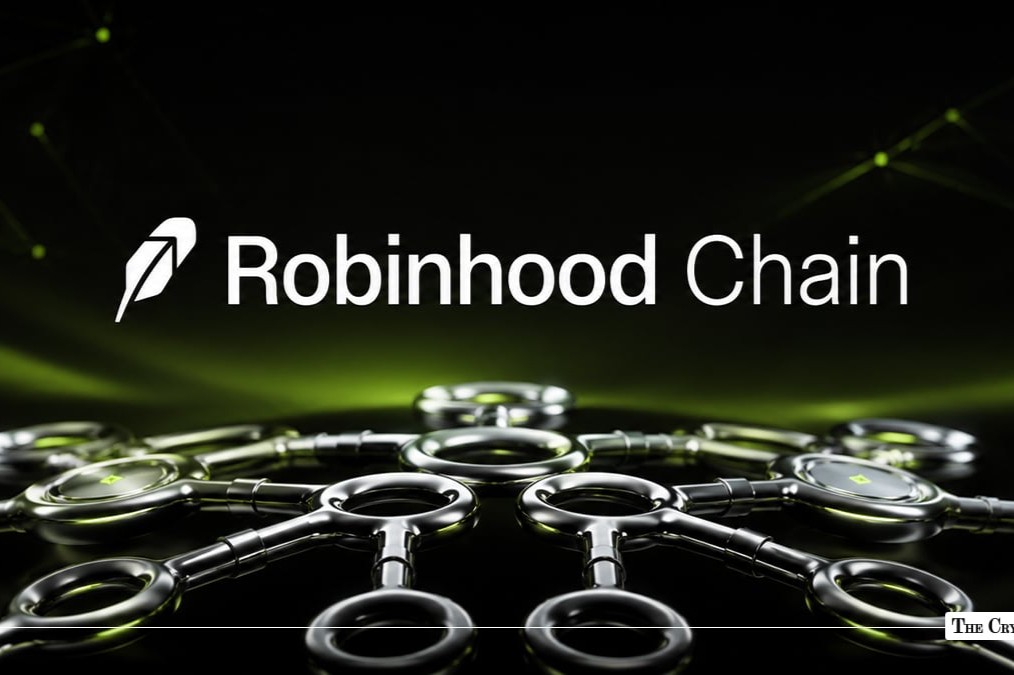
Robinhood Chain recorded more than twice Ethereum’s daily NFT trading volume on August 12, delivering an eye-catching early milestone for the recently launched blockchain. According to Dune Analytics data cited by The Data Nerd, Robinhood Chain generated approximately $3.13 million in NFT volume, compared with just $1.35 million on Ethereum during the same day.
That means Robinhood Chain processed roughly 2.3 times Ethereum’s NFT volume for the day. But analysts are warning against interpreting the sudden surge as evidence that Robinhood has already displaced Ethereum in NFTs. A significant portion of the activity could be driven by FOMO and traders rushing into a newly launched ecosystem, making sustained activity considerably more important than a single day’s numbers.
Robinhood Chain NFT Volume Hits $3.13 Million
The August 12 trading numbers produced a surprising comparison between one of crypto’s newest blockchains and its largest smart contract network.
Robinhood Chain recorded approximately $3.13 million in daily NFT trading volume, while Ethereum generated around $1.35 million.
That put Robinhood Chain’s volume at approximately 2.3 times Ethereum’s total for the day.
The performance is particularly notable because Robinhood Chain’s mainnet only officially launched on July 1, meaning the network achieved the milestone less than two months after going live.
FOMO May Be Fueling the Sudden Surge
The Data Nerd cautioned that the dramatic increase shouldn’t automatically be interpreted as long-term adoption.
Some of the activity appears to be driven by fear of missing out, with traders moving quickly into the newly launched blockchain in search of early opportunities.
That behavior is particularly common with NFTs.
When a new blockchain, marketplace or NFT collection launches, speculative traders can rapidly increase transaction volumes as they attempt to acquire assets before prices potentially rise.
Those bursts of activity can produce impressive numbers without necessarily creating a sustainable ecosystem.
The real test for Robinhood Chain will therefore be whether NFT traders continue using the network after the initial excitement fades.
Ethereum Still Dominates the Established NFT Ecosystem
Robinhood Chain surpassing Ethereum for a day doesn’t mean Ethereum has suddenly lost its position in the NFT industry.
Ethereum remains the most established blockchain for NFTs, with years of infrastructure, marketplaces, developers, collectors and historically important collections built around the network.
Robinhood’s advantage could instead come from its ability to provide users with lower transaction costs and faster transactions, two areas where alternative blockchains have historically attempted to compete with Ethereum.
Ethereum’s gas fees have repeatedly encouraged NFT traders to experiment with alternatives, particularly during periods of heavy network activity.
Robinhood Chain now has an opportunity to compete for some of those users.
Robinhood’s Existing Retail Audience Could Be Its Biggest Advantage
One of Robinhood Chain’s most interesting advantages isn’t necessarily its blockchain technology.
It’s Robinhood’s enormous existing retail investing ecosystem.
Robinhood already has a large audience accustomed to using its platform for stocks and cryptocurrencies. Bringing blockchain-based assets closer to those customers could potentially reduce one of Web3’s biggest adoption barriers — convincing mainstream users to interact with unfamiliar crypto-native platforms.
The CryptoNews report suggests Robinhood Chain’s early traction could become particularly important among retail traders already familiar with the broader Robinhood ecosystem.
If even a relatively small percentage of those users eventually interact with NFTs and tokenized assets, Robinhood could potentially introduce blockchain ownership to an audience considerably larger than the traditional NFT community.
NFT Competition Is Expanding Beyond Ethereum
The numbers also demonstrate how fragmented the NFT market has become.
Ethereum once overwhelmingly dominated NFT trading, but competing blockchains have increasingly attempted to attract creators and collectors through lower fees, faster transactions and improved user experiences.
Robinhood Chain adds another major competitor to that environment.
The difference is that Robinhood enters the competition with an established consumer financial brand and existing relationships with retail investors.
That could potentially give it a distribution advantage that many crypto-native Layer 1 and Layer 2 networks didn’t have when launching their NFT ecosystems.
One Day of Volume Doesn’t Prove Long-Term Adoption
The biggest caveat surrounding the $3.13 million figure is its duration.
NFT markets can experience enormous short-term swings, meaning one unusually active trading day isn’t enough to demonstrate that users are permanently migrating from Ethereum to Robinhood Chain.
The more important metrics will emerge over the coming weeks and months.
Robinhood Chain will need to demonstrate that it can consistently attract traders, creators and NFT projects while maintaining meaningful transaction volumes after the launch excitement disappears.
If volumes rapidly decline once speculative incentives and FOMO fade, August 12 could ultimately look more like a temporary spike.
If activity remains elevated, however, the milestone could become an early indicator that Robinhood is successfully building a significant onchain ecosystem.
Robinhood Chain Could Connect Traditional Investors With NFTs
The larger opportunity for Robinhood may extend beyond NFTs themselves.
NFT technology can represent considerably more than digital artwork. Blockchain-based tokens can potentially represent collectibles, gaming assets, memberships, tickets and tokenized real-world assets.
That creates an interesting opportunity for a company already deeply involved in traditional financial markets.
Robinhood could potentially use its blockchain infrastructure to connect conventional investment products with tokenized assets and crypto-native markets under a broader ecosystem.
The NFT trading surge doesn’t prove that strategy will succeed, but it demonstrates that traders are already willing to experiment with the network.
What This Means for NFTs
Robinhood Chain processing $3.13 million in NFT volume compared with Ethereum’s $1.35 million is a notable achievement for a blockchain that launched its mainnet only on July 1.
But the most important part of the story isn’t that Robinhood Chain “beat Ethereum.”
It’s whether Robinhood can keep those users.
Crypto has repeatedly demonstrated that incentives, speculation and FOMO can generate enormous transaction volumes almost overnight. The harder challenge is transforming that initial activity into an ecosystem people continue using once the novelty disappears.
Robinhood has one advantage many previous blockchain challengers lacked — a massive existing retail-finance audience that doesn’t need to be introduced to the Robinhood brand from scratch.
If the company can successfully move some of those investors into NFTs and other tokenized assets, Robinhood Chain could become an important bridge between conventional retail investing and Web3.
For now, Ethereum remains the established NFT ecosystem and a single day of trading doesn’t change that.
But a blockchain less than two months old generating more than twice Ethereum’s NFT trading volume in a day is still worth paying attention to.
The next question is whether August 12 was simply a burst of FOMO — or the first indication that Robinhood’s retail audience is beginning to move onchain.
- Fight.id Expands Ufc Partnership To Build Web3 Fan Rewards
- Avalanche Collaborates with Coachella For NFT Loyalty ‘Quests’
- Web3 App From Sony Bank Lets Users Trade NFTs
- OpenSea Sees $2.6 Billion in Token Volume, Prepares $SEA Launch
- MoMA Acquires Eight CryptoPunks for Permanent Collection
- Claynosaurz Brings Web3 Entertainment to Prime Video and Apple TV