






























































































































![Ribbita by Virtuals [OLD]](https://assets.coingecko.com/coins/images/54970/large/Untitled_design.png)








































































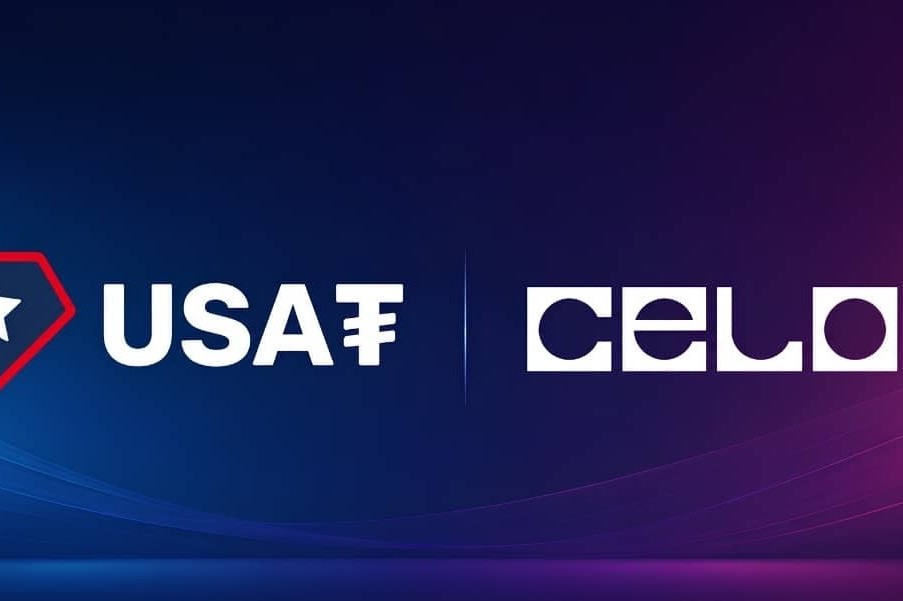
Tether’s U.S.-regulated stablecoin USAT has expanded beyond Ethereum for the first time, launching natively on the Celo blockchain with built-in support for minting, burning, and transaction fee payments. The integration allows users to pay network gas fees directly with USAT, eliminating the need to hold a separate native token and making stablecoin transactions significantly easier for everyday users.
The move marks another major step in Tether’s strategy to expand its regulated stablecoin ecosystem following the passage of the GENIUS Act. By combining native issuance with Celo’s fee abstraction technology, the companies hope to accelerate stablecoin adoption across mobile-first users, emerging markets, and real-world payment applications.
USAT Makes Its First Expansion Beyond Ethereum
Until now, USAT had only been available on the Ethereum mainnet. The launch on Celo represents the stablecoin’s second blockchain deployment and introduces several native capabilities rather than relying on wrapped assets or cross-chain bridges.
The new deployment includes:
- Native minting and burning.
- Direct issuance on Celo.
- No bridge dependency.
- Full integration with Celo’s payment infrastructure.
Native issuance improves security while reducing friction for developers and end users by allowing USAT to function as a first-class asset on the network.
Users Can Pay Gas Fees With USAT
One of the most significant features of the integration is the ability to pay blockchain transaction fees directly with USAT.
This is made possible through Celo’s CIP-64 fee abstraction upgrade, which allows approved ERC-20 tokens to serve as gas currencies.
Instead of purchasing and maintaining a separate balance of CELO tokens simply to execute transactions, users can send and receive USAT while paying network fees using the same stablecoin. This creates a much smoother user experience, particularly for newcomers who may be unfamiliar with blockchain mechanics.
Built for Mobile Payments and Emerging Markets
The partnership aligns closely with Celo’s long-standing mission of supporting mobile-first financial applications.
According to the announcement, the network already serves millions of stablecoin users worldwide, particularly in regions where traditional banking infrastructure remains limited. By removing the need for a separate gas token, Tether and Celo hope to make blockchain payments feel more like conventional digital payment apps while reducing barriers to adoption.
Tether Continues Expanding Its Regulated Ecosystem
Unlike USDT, which serves global markets, USAT was introduced as Tether’s U.S.-focused, regulatory-compliant stablecoin. The token is issued by Anchorage Digital Bank, one of the few federally chartered crypto banks in the United States.
The expansion onto Celo follows Tether’s broader effort to build regulated payment infrastructure capable of supporting payroll, remittances, merchant payments, and enterprise financial services under evolving U.S. stablecoin regulations.
Stablecoins Are Becoming Easier to Use
One of blockchain’s biggest usability challenges has long been the requirement to hold native network tokens solely to pay transaction fees.
Fee abstraction changes that model by allowing users to transact entirely in stablecoins. For businesses, payment providers, and developers, this simplifies onboarding while making blockchain applications more accessible to mainstream consumers who may never need to purchase a separate cryptocurrency.
What This Means for Crypto
The launch of USAT on Celo highlights how stablecoin innovation is shifting beyond simple dollar-pegged tokens toward creating seamless payment infrastructure. By allowing users to pay gas fees directly in the same stablecoin they are transferring, Tether and Celo remove one of the most common pain points that has historically complicated blockchain adoption.
For the broader crypto industry, the integration reflects a growing focus on real-world usability rather than speculation. As regulated stablecoins continue expanding across multiple blockchains with features like native issuance, programmable payments, and gas abstraction, blockchain networks are becoming increasingly competitive with traditional payment systems. These improvements could accelerate adoption among consumers, merchants, fintech companies, and enterprises seeking faster, lower-cost digital payments without requiring users to understand the underlying blockchain infrastructure.
- New Malware-as-a-Service “Cthulhu Stealer” Targets MacOS Systems to Gain Access to Crypto Wallets
- DTCC Teams With Chainlink to Modernize Global Collateral Markets
- Former Robinhood Engineers Charged Over Alleged Crypto Listing Trades
- Solana Launches New Real-Time Payment Platform for Developers
- MetaMask Continues Expansion Beyond Ethereum with Latest TRON Integration
- JPMorgan’s Blockchain Arm Kinexys Tests Tokenized Carbon Credits With S&P Global



