

























































































































![Ribbita by Virtuals [OLD]](https://assets.coingecko.com/coins/images/54970/large/Untitled_design.png)














































































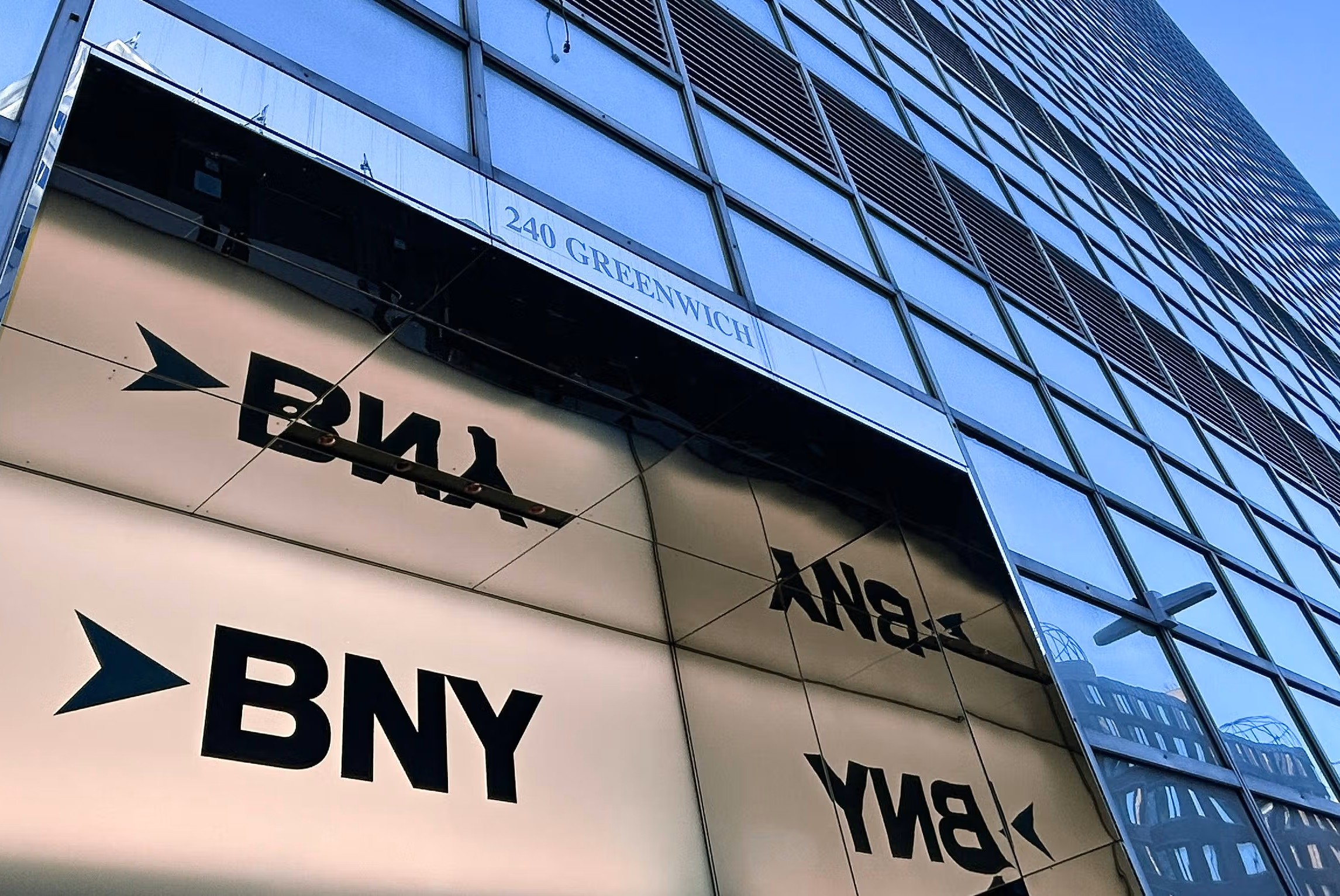
BNY, the world’s largest custodian bank, is bringing one of its core financial businesses onto blockchain infrastructure as it modernizes the record-keeping system behind approximately $8.6 trillion in serviced assets and more than 7.6 million investor accounts. Rather than replacing its existing infrastructure, the bank is introducing a blockchain-based transfer agency platform that will maintain digital ownership records for tokenized investment funds while operating alongside traditional financial rails.
The initiative represents one of the most significant blockchain deployments by a major financial institution to date. By creating a single, immutable source of ownership for tokenized funds, BNY aims to streamline fund administration, reduce reconciliation costs, and prepare for a future where an increasing share of traditional financial assets exists on blockchain networks.
Modernizing the Transfer Agency Business
Transfer agencies serve as the record keepers behind investment funds, maintaining shareholder records, processing purchases and redemptions, distributing dividends, and ensuring accurate ownership information.
BNY’s new blockchain platform creates a digital ledger for these records, allowing ownership information to be updated and verified in real time instead of relying on multiple intermediaries to reconcile separate databases. The traditional transfer agency system will remain in place, allowing clients to transition to tokenized fund structures at their own pace.
Supporting the Next Generation of Tokenized Funds
The blockchain infrastructure will initially support select institutional clients in both the United States and the United Kingdom.
Among the first participants are:
- Baillie Gifford, which has launched the first fully native, U.K.-regulated tokenized investment fund.
- BNY Investments Dreyfus, which plans to introduce a digitally native money market fund using blockchain-based BLIQUID tokens.
- BlackRock, which is expected to launch BSTBL, a tokenized share class designed to support stablecoin reserve requirements.
These launches continue the rapid expansion of tokenized money market funds that represent ownership interests as blockchain-based digital assets while investing in traditional short-term securities.
Why Wall Street Is Moving On-Chain
Rather than focusing on cryptocurrencies themselves, many of the world’s largest financial institutions are using blockchain technology to modernize financial infrastructure.
Tokenized funds offer several advantages over conventional systems, including:
- Faster settlement.
- Continuous ownership tracking.
- Reduced operational reconciliation.
- Improved transparency.
- Greater automation through smart contracts.
By placing ownership records directly on blockchain networks, financial institutions can reduce administrative complexity while improving operational efficiency across global markets.
Part of a Much Larger Institutional Trend
BNY’s announcement follows a wave of major Wall Street tokenization initiatives throughout 2026.
Recent developments include:
- DTCC building blockchain infrastructure for tokenized collateral management.
- Securitize expanding its regulated investment platform after obtaining SEC investment adviser registration.
- Multiple asset managers launching tokenized Treasury and money market funds.
- America’s largest banks developing a shared tokenized deposit network expected to launch in 2027.
Together, these projects signal that blockchain is increasingly being adopted as financial infrastructure rather than simply a platform for digital assets.
Traditional Finance Isn’t Going Away
Despite the move on-chain, BNY emphasized that blockchain will complement—not replace—existing financial systems.
The bank expects trillions of dollars in investment funds to remain on conventional infrastructure for years as institutions gradually adopt digital ownership records. Operating both systems simultaneously allows clients to migrate at their own pace while maintaining compatibility with today’s regulatory and operational requirements.
- Pi Network Advances Toward Open Mainnet with 12M KYC Verified Users
- Bybit Exchange Hacked, $1.5 Billion in Crypto Lost
- Tether Eyes Gold Mining Investment to Boost Bullion Exposure
- Galaxy Digital Stock Gets Tokenized on Solana via Superstate
- S&P Global Acquires OpenZeppelin as Wall Street Pushes Deeper Onchain
- Digital Payments Partnership: Chainlink and Paxos Power Up PayPal’s PYUSD Stablecoin