












































































































































































































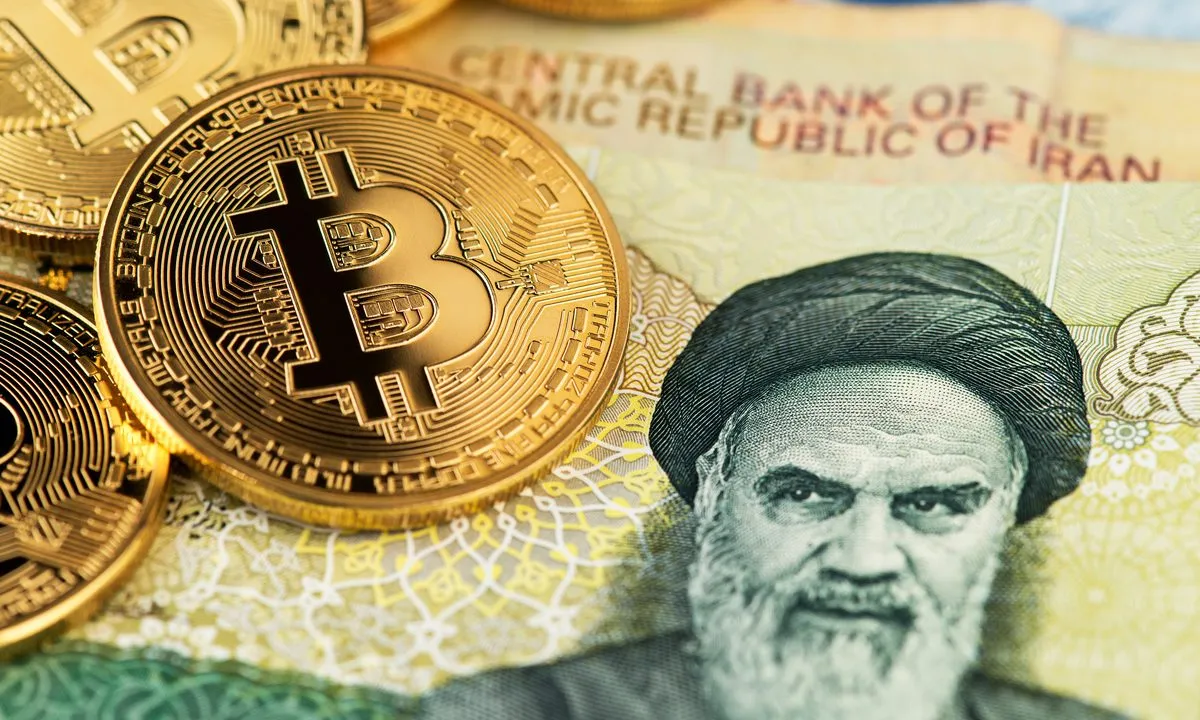
Iran is reportedly moving forward with a controversial Bitcoin-based maritime insurance system tied to shipping activity through the Strait of Hormuz, one of the world’s most strategically important oil and trade corridors. The initiative, called Hormuz Safe, could reportedly generate as much as $10 billion annually for Iran while creating a new blockchain-based framework for maritime cargo insurance.
The proposal comes during heightened geopolitical tensions in the region and reflects how nation-states are increasingly exploring Bitcoin and blockchain infrastructure as tools for international trade and financial resilience.
What Is “Hormuz Safe”?
According to reports tied to Iran’s Ministry of Economy and state-affiliated media, Hormuz Safe is designed as a digital insurance platform that provides maritime cargo coverage for ships traveling through the Persian Gulf and the Strait of Hormuz. Instead of relying entirely on traditional banking rails or dollar-denominated settlement systems, the platform reportedly allows insurance premiums and policy settlements to be processed in Bitcoin.
The broader goal appears to be creating an alternative financial system for shipping operators navigating one of the world’s highest-risk maritime regions while reducing exposure to sanctions and traditional financial intermediaries.
Why the Strait of Hormuz Matters
The Strait of Hormuz is one of the most important shipping chokepoints on Earth. Roughly:
- 17–20% of global oil supply
- Large portions of LNG exports
- Major petrochemical shipments
flow through the narrow waterway connecting the Persian Gulf to global markets. Insurance costs for vessels traveling through the region have surged dramatically in 2026 due to escalating conflict involving Iran, the United States, and Israel. Reports indicate war-risk insurance premiums have multiplied several times over since tensions escalated earlier this year. For shipping companies, insurance access has become one of the biggest operational challenges in the region.
Why Iran May Be Using Bitcoin
Analysts say Bitcoin offers several strategic advantages for Iran under current geopolitical conditions. Unlike dollar-backed stablecoins or traditional banking systems:
- Bitcoin cannot easily be frozen by centralized issuers
- Transactions can operate outside conventional payment networks
- Settlement can occur internationally without direct banking relationships.
This makes Bitcoin particularly attractive for countries facing sanctions or restrictions tied to global financial systems. Reports also suggest Iran sees the insurance framework as a way to maintain commercial shipping activity while avoiding direct “toll” structures that could violate international maritime law during peacetime.
Questions Around Legality and Adoption
Despite the ambitious plans, major questions remain around whether global shipping firms will actually participate. International shipping operators still face:
- U.S. sanctions exposure
- Compliance risks
- Insurance regulation concerns
- Potential legal complications tied to transacting with Iranian-linked systems.
There are also concerns about whether Bitcoin-based maritime insurance could create additional scrutiny from regulators monitoring sanctions evasion and illicit finance. At the same time, supporters argue blockchain-based insurance systems could improve:
- Transparency
- Settlement speed
- Verification of coverage
- Cross-border financial efficiency.
The Bigger Picture
Iran’s Bitcoin insurance initiative reflects a larger global trend. Countries and governments are increasingly exploring blockchain systems not just for speculation, but for strategic infrastructure.
- European Central Bank Selects 36 Payment Firms to Pilot the Digital Euro Across Europe
- Kenya Set to Legalize Crypto in Major Policy Shift
- Staring April 2026, India Can Track Crypto, Emails, & Social Media
- Bank of England Softens “Overly Conservative” Stablecoin Rules After Industry Pushback
- Digital Asset Aid & Assistance: Stellar Org’s Pioneers Blockchain Humanitarian Aid
- Inside Nepal’s Deadly Protests: How Bitchat Became the People’s Lifeline