
































































































































































































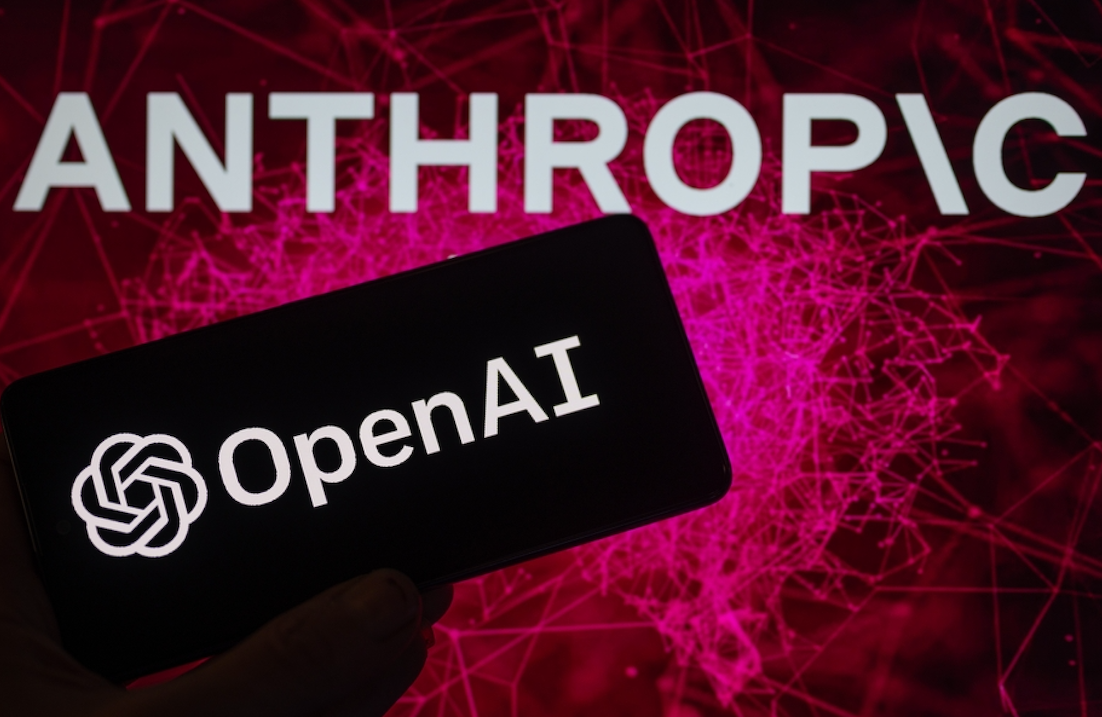
Tokenized pre-IPO products tied to OpenAI and Anthropic plunged sharply this week after both AI companies issued warnings declaring unauthorized stock transfers, SPV structures, and tokenized equity products invalid. The announcements triggered panic across crypto-based pre-IPO marketplaces and secondary private share markets, causing some AI-linked tokens to collapse nearly 40% within hours.
OpenAI and Anthropic Declare Unauthorized Transfers “Void”
Both companies updated their shareholder transfer policies this week, making it clear that any stock transfer conducted without direct written board approval will not be recognized. Anthropic stated that unauthorized transfers are “void” and warned buyers they may not actually own valid equity even if they purchased tokenized shares, SPV interests, or forward contracts through secondary marketplaces. OpenAI issued a nearly identical warning, saying unauthorized sales “carry no economic value.”
The companies specifically targeted:
- SPV-based investment structures
- Tokenized equity products
- Secondary market forward contracts
- Unapproved retail share offerings
The announcements immediately shook the growing crypto pre-IPO market, where blockchain-based platforms have increasingly offered tokenized exposure to private AI companies.
AI-Linked Tokens Collapse Across Secondary Markets
Following the warnings, tokenized products tied to Anthropic and OpenAI sold off aggressively across crypto marketplaces and secondary trading platforms. Anthropic-linked tokens reportedly dropped around 40% within 24 hours, while OpenAI-linked products fell more than 30% as traders rushed to exit positions amid fears the underlying equity claims may ultimately prove worthless.
The sharp decline exposed one of the biggest risks inside the rapidly growing tokenized equity market: many blockchain-based “shares” do not actually grant direct legal ownership of company stock. Instead, buyers often gain exposure through layered SPV structures or synthetic contracts that depend entirely on the issuing company recognizing the transfer.
What Are SPVs and Why Do They Matter?
SPVs — or Special Purpose Vehicles — are shell entities commonly used in private markets to pool investors together and indirectly acquire stakes in private companies. In crypto markets, some tokenized pre-IPO products use SPVs to create blockchain-based representations of ownership interests tied to private firms like OpenAI, Anthropic, SpaceX, and others. However, the underlying private company often still controls whether those transfers are legally recognized.
Anthropic specifically warned that investors buying through unauthorized SPVs may simply own “a receipt from someone who took your money” rather than valid company shares. The company also named several platforms and marketplaces it considers unauthorized, including:
- Forge Global
- Hiive
- Open Door Partners
- Unicorns Exchange
- Sydecar
- Upmarket
The warning shocked many investors because some of these platforms are established regulated secondary marketplaces used by accredited investors.
Tokenized Pre-IPO Markets Face Major Reality Check
The collapse highlights growing tensions between crypto tokenization markets and traditional corporate ownership structures. Over the past year, crypto platforms increasingly promoted tokenized access to elite private AI companies as retail investors searched for ways to gain exposure before official IPOs. Some tokenized markets implied valuations exceeding $1 trillion for Anthropic despite relatively thin underlying liquidity.
Analysts warn these products often blur the line between:
- Actual equity ownership
- Synthetic price exposure
- Derivative contracts
- Informal secondary market claims
Without direct approval from the issuing company, tokenized shares may not provide enforceable shareholder rights at all.
OpenAI and Anthropic Tighten Control Ahead of Potential IPOs
Industry observers believe the policy changes are partly designed to maintain tighter control over shareholder structures as both companies move closer toward eventual public offerings. OpenAI recently completed a massive employee tender offer allowing insiders to sell billions in approved stock transactions to institutional investors including SoftBank and Thrive Capital. Anthropic is also reportedly preparing additional employee liquidity events at valuations exceeding hundreds of billions of dollars.
By aggressively restricting unauthorized secondary trading, both companies may be attempting to:
- Prevent uncontrolled valuation inflation
- Reduce legal risk
- Protect future IPO pricing
- Limit “shadow shareholders”
- Avoid securities law complications
The crackdown also gives regulators more ammunition in ongoing debates around tokenized securities and crypto-based equity markets.
The Bigger Picture
The sudden collapse in OpenAI and Anthropic-linked tokens exposes the fragile legal foundation underneath many tokenized pre-IPO products. While blockchain technology can create digital representations of ownership, it cannot override corporate shareholder agreements or board approval requirements.
The incident may become a defining moment for the broader tokenized securities industry as regulators, AI companies, and crypto platforms battle over who ultimately controls ownership rights in the next generation of private technology giants. As AI valuations continue exploding and retail investors search for early exposure, the fight between traditional corporate governance and blockchain-based financial innovation is only beginning.
- Bitcoin Transaction Fees Drop to 13-Year Low as Network Demand Weakens
- Magic Eden Traders Set to Receive $312 Million Worth of ME Tokens in Airdrop
- Jupiter Airdrop Propels Solana DEXs to Outpace Ethereum in Daily Trading Activity
- Rex Osprey Files for $Trump, BTC, ETH, XRP ETF, Among Others
- Right-Wing Video Platform Rumble Buys $15.5 Million in Bitcoin
- 21Shares Launches First ETF Focused on Canton Network Token