















































































































































































































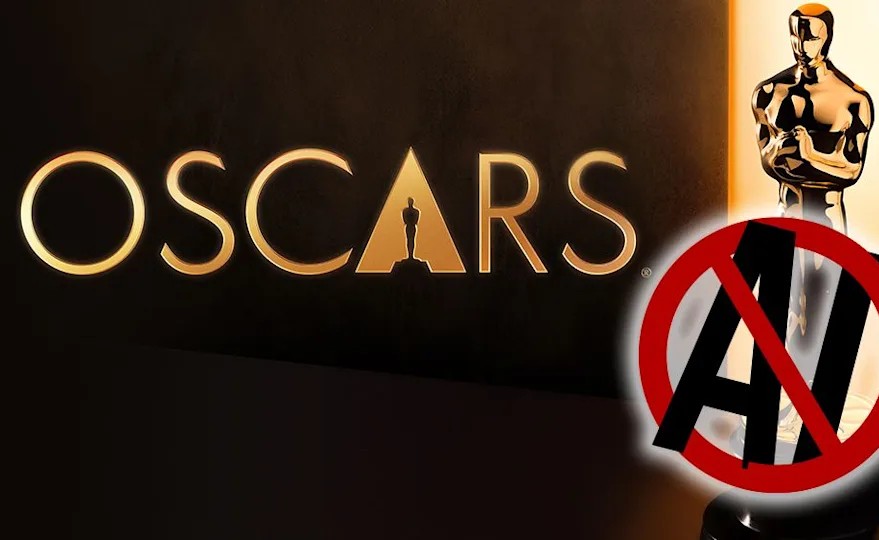
The Academy of Motion Picture Arts and Sciences has officially drawn a hard line on AI in filmmaking, ruling that AI-generated performances and screenplays will not be eligible for Oscars, reinforcing a “human-first” standard for the industry’s most prestigious awards.
Human Creativity Now Required for Acting and Writing Awards
Under the updated rules, only performances “demonstrably performed by humans with their consent” can qualify for acting categories, while screenplays must be fully human-authored to be eligible.
This means:
- AI-generated actors or digital replicas cannot win acting awards
- Scripts written or heavily generated by AI are disqualified from writing categories
- The Academy can request proof of human authorship and involvement
AI Tools Still Allowed—But With Limits
Importantly, this is not a full ban on AI in filmmaking. Studios can still use AI tools for things like:
- Visual effects
- Editing assistance
- Production workflows
However, when it comes to core creative recognition—acting and writing—the work must originate from humans, with AI only playing a supporting role.
Driven by Industry Backlash and Job Concerns
The decision comes after growing concern across Hollywood about AI replacing human talent. Controversies around AI-generated actors and digitally recreated performances sparked backlash from industry groups and unions, pushing the Academy to act. There’s also a broader fear that studios could use AI to reduce costs by replacing writers and actors—making this rule as much about labor protection as it is about artistic integrity.
Sets the Tone for AI Regulation in Entertainment
The new policy will take effect starting with the 2027 Oscars, signaling a long-term stance rather than a temporary adjustment. It also positions the Academy as one of the first major institutions to formally define how AI can—and cannot—be used in creative industries.
The Bigger Picture
This move is bigger than the Oscars—it’s a signal to the entire entertainment industry. As AI tools become more powerful, institutions are beginning to draw clear boundaries around human authorship vs. machine-generated content. For creators, this creates a new reality: AI can assist the process—but it can’t take the credit.
- Ripple and Amazon Quietly Partner Up For AI and Blockchain Efficiency
- Intel and Google Expand AI Chip Partnership, Doubling Down on CPUs for the Next Phase of AI
- Bitronix Launches First AI-Powered Gaming Trading Platform Inside Telegram with EU Regulation and $10 Minimum Entry
- New AI Platform Manus Gains Traction as Potential Rival to OpenAI—At a Hefty Cost
- Taylor Swift Files Trademarks for Voice and Image to Fight AI Deepfakes
- ChatGPT No Longer Requires an Account — But There’s a Catch