













































































































































































































Crypto’s political influence is accelerating again as a super PAC backed by the Solana ecosystem commits $8 million to an Ohio Senate race, directly targeting Sherrod Brown—one of the industry’s most outspoken critics.
Crypto Money Targets a Key Regulatory Opponent
The funding comes from Sentinel Action Fund, a pro-crypto super PAC supported by the Solana Policy Institute and crypto venture firm Multicoin Capital, with plans to deploy over $8 million to back Republican candidate Jon Husted in Ohio. The goal is clear, prevent Brown from regaining influence in the Senate, where he has historically pushed for stricter crypto regulation. This marks a continuation of a growing trend, the crypto industry is now directly funding campaigns against lawmakers it sees as hostile.
Why Sherrod Brown Is a Target
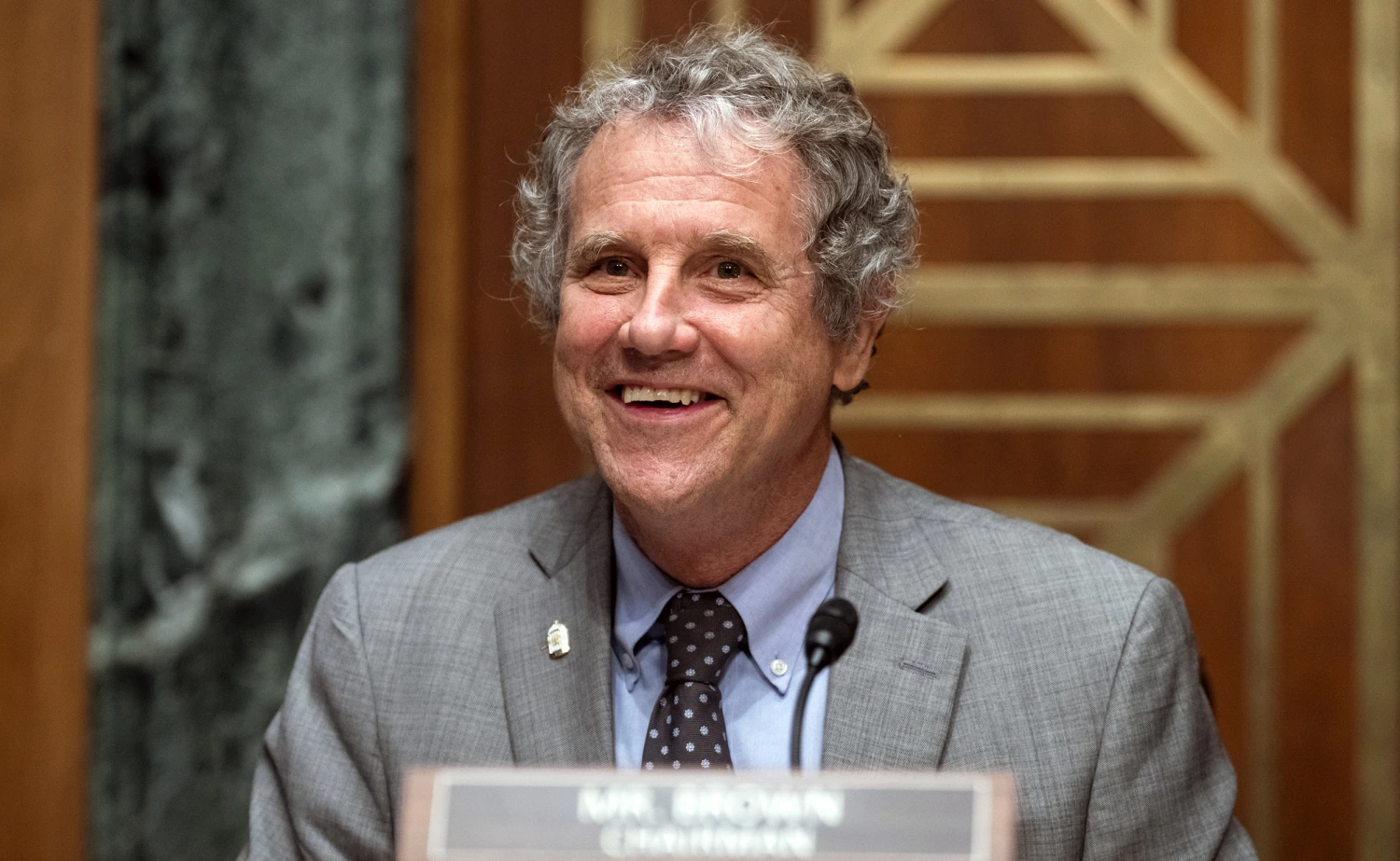
Sherrod Brown has been one of the most prominent skeptics of digital assets in Washington, previously serving as chair of the Senate Banking Committee and advocating for tighter oversight of crypto markets. Industry-backed groups argue his policies have slowed innovation and created regulatory barriers, making him a focal point in this election cycle. In response, crypto-aligned PACs are shifting strategy—from lobbying lawmakers to trying to replace them.
A New Political Strategy for Crypto
Rather than relying solely on traditional lobbying, the $8 million campaign will fund advertising, digital outreach, and voter mobilization efforts in Ohio, aiming to elevate candidates who support crypto-friendly policies.
This reflects a major evolution in how the industry operates politically:
Old approach: Influence regulation
New approach: Influence who writes the regulation
The scale of spending also shows how serious the industry has become about shaping its future in Washington.
Backed by Crypto and Wall Street Capital
The PAC is not just backed by crypto-native organizations—it also includes support from major financial players, signaling alignment between traditional finance and blockchain interests.
Key contributors include:
- Solana Policy Institute
- Multicoin Capital
- High-profile institutional investors and hedge fund figures
This combination of capital highlights how crypto policy is becoming a broader financial industry priority, not just a niche issue.
What This Means for the 2026 Election Cycle
Ohio is shaping up to be a key battleground for crypto policy, with millions already committed and more likely to follow.
The outcome could have significant implications:
- A win for pro-crypto candidates could accelerate favorable legislation
- A loss could reinforce stricter regulatory momentum
Either way, the stakes extend far beyond one Senate seat.
The Bigger Picture
The $8 million push against Sherrod Brown signals a turning point in crypto’s role in U.S. politics. The industry is no longer just reacting to regulation—it is actively trying to control the political landscape that defines it. As more money flows into elections, crypto is evolving from a financial asset class into a political force—one capable of shaping not just markets, but policy at the highest level.
- New Jersey Takes Kalshi to the Supreme Court in Fight Over Who Controls Prediction Markets
- SEC Drops Investigation of Bitcoin L2 Stacks and Builder Hiro, Filing Says
- XRP Price Surges 14% as SEC Drops Ripple Lawsuit After 4 Years
- Senate Banking Committee to Vote on Bipartisan ‘Genius’ Stablecoin Bill This Week
- SEC Appeals Ripple Ruling, Seeks Reversal on XRP Classification
- Coinbase Says CLARITY Act Deal Reached on Stablecoin Yield, Clearing Path for Senate Markup