

















































































































































































































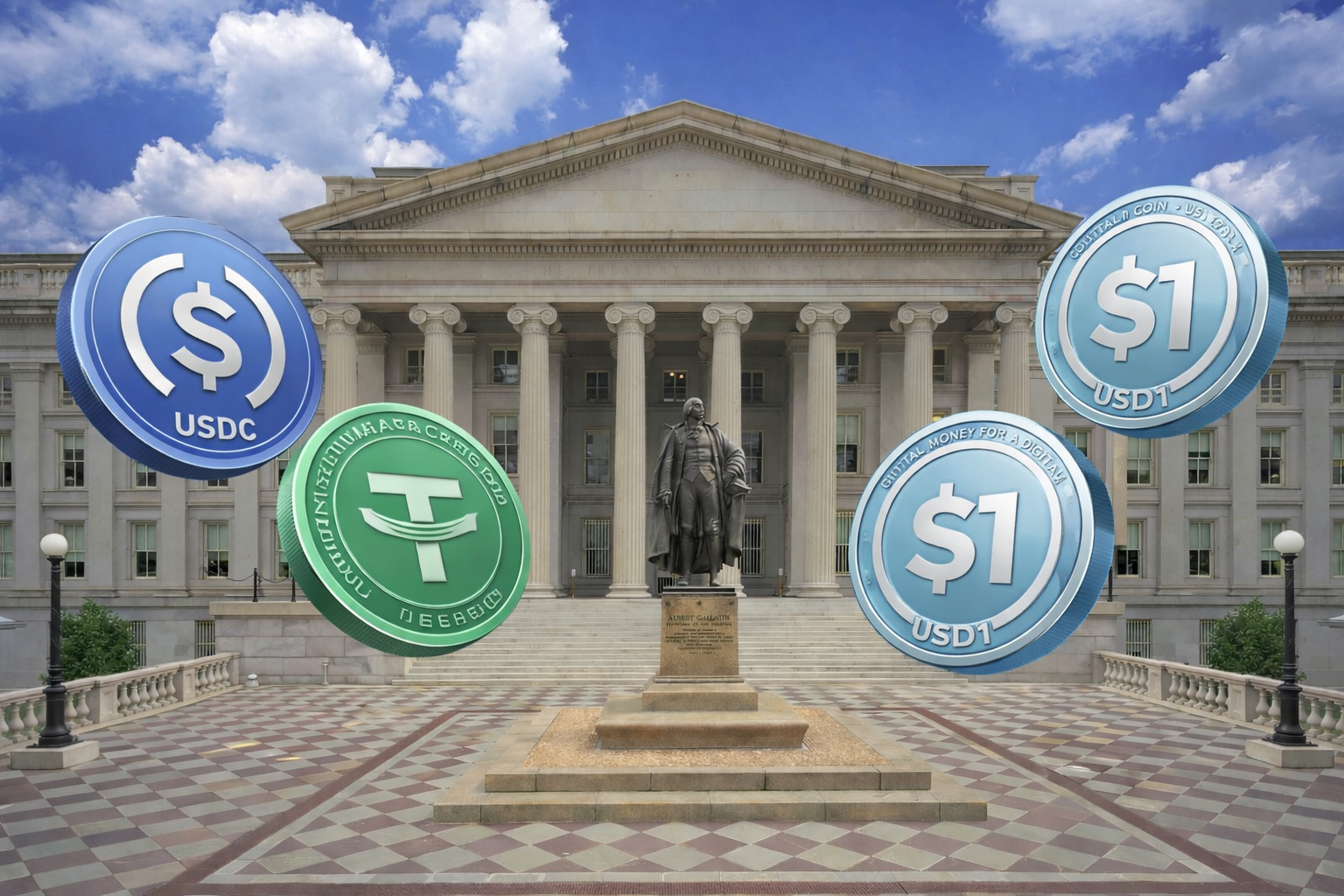
The U.S. Department of the Treasury has introduced a new set of proposed rules under the GENIUS Act, signaling a major step toward enforcing stablecoin regulation and tightening oversight across the industry.
Stablecoin Issuers to Be Treated Like Financial Institutions
Under the proposal, stablecoin issuers—referred to as Permitted Payment Stablecoin Issuers (PPSIs)—would be classified similarly to traditional financial institutions. This means they must comply with core requirements such as anti-money laundering (AML) rules and transaction monitoring systems.
The goal is to bring stablecoin companies in line with existing financial standards, ensuring they operate with the same safeguards as banks and payment providers.
New Focus on AML and Sanctions Compliance
A key component of the proposal is strengthening defenses against illicit finance. Issuers would be required to:
- Implement robust AML programs
- Monitor and report suspicious transactions
- Maintain sanctions compliance systems
These rules are designed to help law enforcement track illegal activity while still allowing innovation in digital payments.
Building on the GENIUS Act Framework
The GENIUS Act, passed in 2025, created the first comprehensive federal framework for stablecoins, requiring:
- 1:1 reserve backing with liquid assets
- Transparency and disclosures
- Licensing at the state or federal level
The new Treasury proposal moves the industry from legislation to active enforcement, defining how these rules will work in practice.
Balancing Innovation With Control
Regulators emphasized that the rules are intended to be “fit for purpose”—meaning they aim to reduce illicit activity without overburdening innovation.
This reflects a broader strategy:
- Encourage stablecoin adoption for payments and finance
- Prevent misuse for money laundering or sanctions evasion
Why This Matters
This proposal marks a turning point for stablecoins in the U.S.
The bigger takeaway:
Stablecoins are officially being absorbed into the traditional financial system—with rules that treat them like banks, not startups. As enforcement ramps up, the winners will be the projects that can balance compliance, transparency, and scalability in a regulated environment.
- SafeMoon CEO Found Guilty of Crypto Fraud, Faces Up to 45 Years in Prison
- SEC Clarifies That Many Crypto Staking Services Aren’t Securities
- SEC Chair Declares Crypto’s Time Has Come With New Regulatory Plan
- Wyoming Stable Token Commission Taps Inca Digital For State-Backed WYST Stablecoin Money-Laundering surveillance
- Elizabeth Warren Blasts SEC Over Justin Sun Case, Warns Crypto Bills Must Address “Trump’s Crypto Corruption”
- White House to Host Banks and Crypto Firms in Bid to Break Legislative Deadlock