














































































































































































































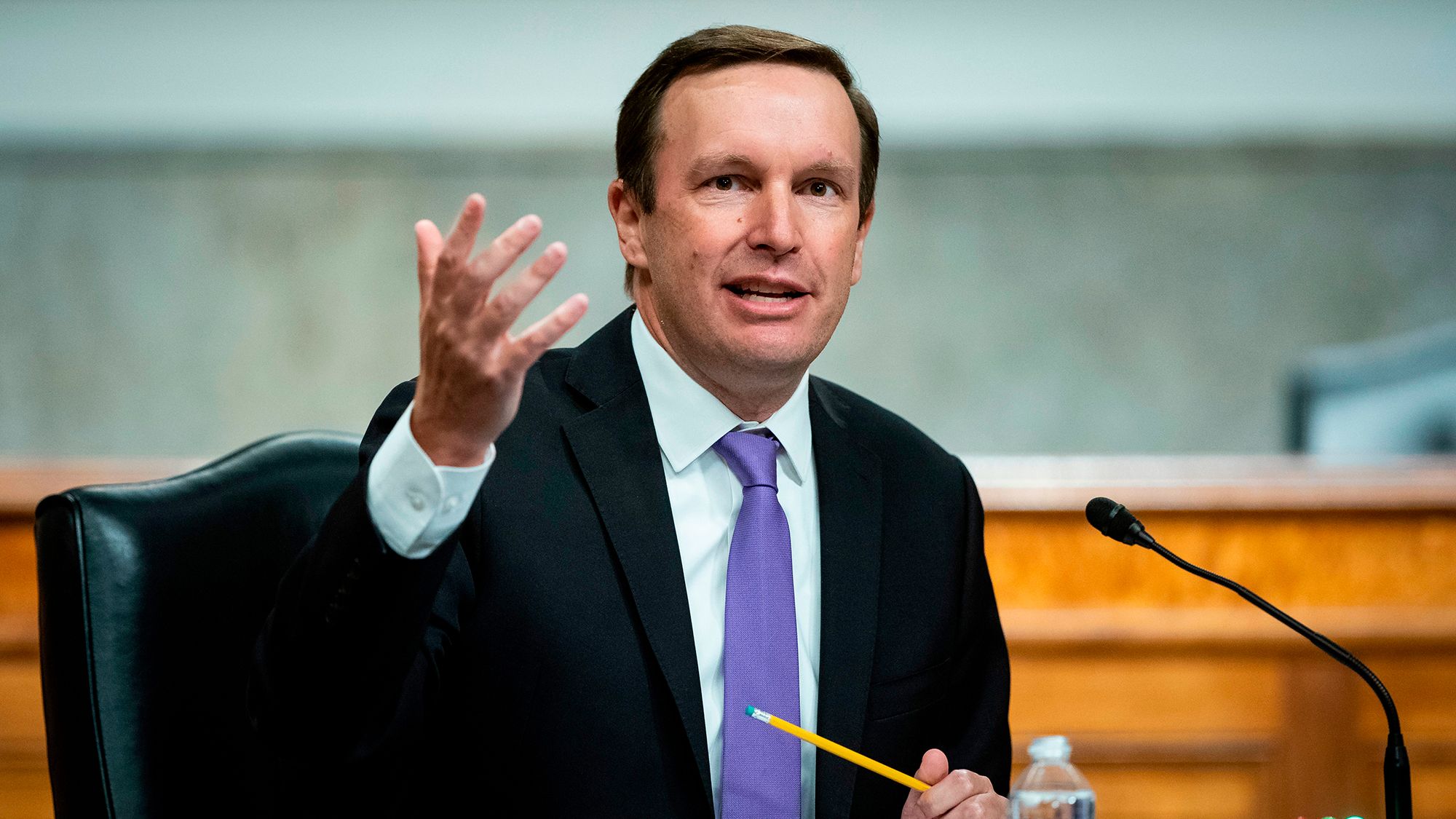
U.S. Senator Chris Murphy (D-Conn.) is calling for legislation to ban prediction markets that allow traders to bet on government actions, after alleging that individuals with insider knowledge may have profited from wagers tied to the recent U.S. and Israeli strikes on Iran.
The controversy erupted after blockchain analysts and lawmakers identified suspiciously timed bets placed shortly before the military strikes, generating significant profits for a small group of traders. Murphy said the situation raises serious ethical and national security concerns about allowing financial speculation tied to sensitive geopolitical events.
Suspiciously Timed Bets Spark Insider Trading Concerns
Prediction markets such as Polymarket and Kalshi allow users to trade contracts based on real-world events, with prices reflecting the perceived probability of an outcome.
In the days leading up to the Iran strikes, traders poured millions of dollars into contracts related to whether the U.S. would launch military action and whether Iran’s Supreme Leader Ayatollah Ali Khamenei would be removed from power.
After the strikes occurred and Khamenei’s death was confirmed, investigators pointed to a cluster of accounts that appeared to place winning bets just hours before the attacks, turning relatively small wagers into substantial profits. Analysts estimate that six accounts alone may have earned about $1.2 million from these trades.
Murphy reacted sharply to the findings, saying that people connected to the administration could have used non-public information to profit from the military operation.
Proposed Ban on Betting on Government Actions
Murphy said he plans to introduce legislation that would prohibit prediction markets from offering contracts tied to government decisions, such as military operations, foreign policy moves, or other sensitive actions.
Supporters of the proposal argue that markets allowing bets on government actions could create dangerous incentives, including:
Profiting from war or geopolitical conflict
Potential misuse of classified or insider information
Manipulation of public perception around national security events
Murphy and other lawmakers have described the current situation as a regulatory gap where traders can potentially monetize privileged information about military or diplomatic decisions.
Prediction Markets Face Growing Scrutiny
The controversy has reignited debate over the role of prediction markets, which have grown rapidly in popularity among traders and political forecasters. Platforms such as Polymarket have hosted hundreds of contracts related to elections, economic indicators, and global events.
However, critics say certain markets — especially those tied to war, death, or military operations — raise ethical and legal concerns. In one example, traders wagered tens of millions of dollars on contracts related to Khamenei’s fate and the timing of the Iran strikes.
Regulators, including the Commodity Futures Trading Commission (CFTC), are already evaluating how these markets should be overseen, particularly when contracts intersect with sensitive political or national security issues.
- The White House Tech Policy Unit Deems Distributed Ledger Technology, Digital Assets Vital For National Security
- SEC to Reject Solana ETF Applications Delaying Approval
- CFTC Launches Crypto Sprint for Fast-Track Regulation
- House Panel Advances Bill to Lock U.S. Bitcoin Reserve Into Law For 20 Years
- Kamala Harris Advisor Says VP Open to Crypto: Bloomberg
- Pennsylvania House of Representatives Passes Crypto Bill to Bring Regulatory Clarity